Why You Should Own an OBD2 Scanner
Justin S
Created by: Aug 19, 2026
|
Modified by: Aug 19, 2026
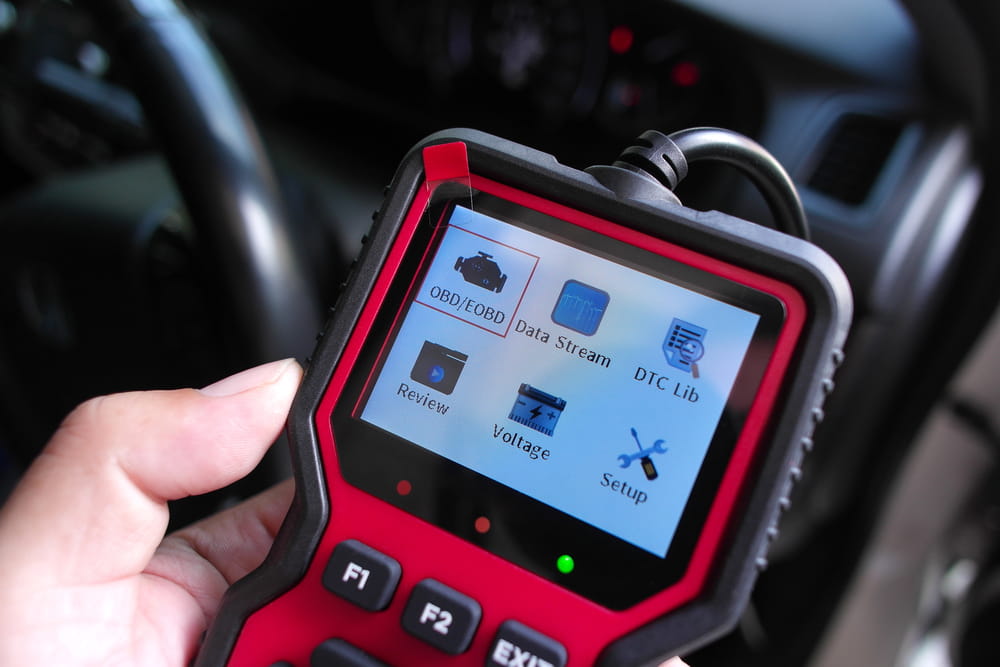
Diagnosing a vehicle problem has remained amongst one of the most difficult undertakings by budget minded car owners. Determining the cause of that check engine light often meant that owners would need to bring the vehicle to a mechanic and pay a diagnostic fee. Today, things are a little different; there are many capable and relatively inexpensive OBD2 devices on the market and while they cannot replace a professional mechanic’s diagnosis, they may be able to direct the owner in the correct direction, helping them determine the cause of the fault warning displayed on their dashboard.
An OBD2 scanner is one of the most useful tools a car owner can keep in the glove box. Most modern OBD2 scanners can read diagnostic trouble codes, display information from the vehicle's onboard computer and, depending on the scanner and vehicle, show emissions-monitor readiness information and other live data. It will never be able to turn an ordinary car owner into a professional technician, but it can provide valuable information before spending hundreds of dollars on repairs or a used car purchase.
What Is an OBD2 Scanner?
First of all, an OBD2 scanner is not some magical tool that can fix car faults. This tool works with your vehicle’s On-Board Diagnostics II; a standardized diagnostic system used on most passenger vehicles sold in the United States since the mid-1990s. The system monitors numerous vehicle sensors, modules, and emissions-related components. By connecting it to the OBD 2 port, the device can identify active and stored diagnostic trouble codes, commonly called DTCs.
When a problem is detected by the vehicle’s computer, it may store a code identifying the system or component associated with the problem. A scanner can retrieve those codes and display them to the owner or technician. Depending on the type of scanner used, the codes can even be identified, helping to determine the source of the fault.
The main advantage of owning an OBD2 scanner is being able to take some of the mystery out of various vehicle fault codes. A generic check engine fault can be significantly easier to investigate once a scanner reveals a code associated with an oxygen sensor, evaporative emissions system, misfire, catalytic converter or another monitored system.
However, identifying trouble codes is generally viewed as a starting point for diagnosis rather than a definitive diagnosis. Some complex issues can cause multiple codes and will require additional troubleshooting and know-how to clearly identify and rectify. Keep in mind just because a code identifies invalid data coming from a particular sensor or system does not necessarily mean that replacing that component will solve the underlying problem. The same code can be caused by a variety of issues related to wiring, vacuum leaks, electrical problems or other mechanical issues.
An OBD2 Scanner May Help You Avoid Unnecessary Repair Bills
Owning an OBD 2 scanner does not guarantee that you can avoid taking the car to a professional technician, but it can help you make better decisions before visiting a repair shop. For example, if the check-engine light suddenly comes on, a vehicle owner can scan the car before taking it to a mechanic. Knowing the stored code can provide useful context when discussing the problem with a technician and can help the owner understand whether the proposed repair makes sense.
A scanner can also be useful after a repair is completed. If a shop says that a problem has been fixed, the owner can check whether the diagnostic system continues to report the problem and whether the vehicle's emissions monitors within the I/M ready system have returned to a ready state.
The I/M readiness stands for “Inspection and Maintenance Readiness” and it is a vital diagnostic function of most modern OBD2 scanners. It helps check if the car’s computer has finished checking the various components of the emissions control system. When any one part of the I/M readiness system shows as pending, this means that the car has not had ample enough time and use to collect the information to determine if that particular system is working as intended.
Why having an OBD2 Scanner is an absolute MUST When Buying a Used Car
Perhaps one of the best reasons to own an OBD2 scanner is when shopping for a used vehicle. A seller can make a used car look considerably healthier than it actually is. One method is clearing diagnostic trouble codes shortly before showing the vehicle to a prospective buyer. While clearing codes can temporarily turn off the check-engine light, it does not solve the actual underlying problem, which is likely to come back within a short period of time. Clearing fault codes will also reset the vehicle's emissions readiness monitors. A car that has had its trouble codes recently erased or reset will most likely display “pending” or “not ready” within the I/M readiness system. Needless to say, this should serve as a clear red flag to any potential used car shopper.
Keep in mind the only reason why the vehicle’s I/M readiness monitors read as “not set” is typically due to one of the following reasons:
- Recent resetting of the OBD system
- Deletion of fault codes
- Disconnecting the battery
There have been many documented cases of unscrupulous car sellers deliberately clearing codes shortly before pre-purchase inspection as an attempt to hide fault codes that could decrease the vehicle’s value.
That doesn't mean every vehicle with a "not ready" monitor has a hidden problem. A battery replacement, legitimate repair or normal maintenance can also reset the system. Some monitors simply require specific driving conditions before they will complete their tests.
But when purchasing a used car, multiple incomplete readiness monitors should raise a question.
Just like the OBD 2 scanner can be used by the seller in an attempt to hide trouble codes, it can be used by the seller to read and identify trouble codes. Imagine you're inspecting a used vehicle and the check-engine light is off. At first glance, everything may appear normal. You connect an OBD2 scanner and discover that several emissions monitors are "not ready."
That doesn't prove the seller has done anything wrong. But it tells you that the vehicle's computer has recently lost its completed-test status or has not yet completed the required monitoring cycles. What this means is that the check engine fault may appear shortly after all I/M ready monitors are ready.
EPA documentation explains that readiness information was specifically developed in part to help indicate whether diagnostic codes may have been cleared since the vehicle's previous OBD check. This makes an OBD2 scanner an inexpensive additional layer of protection for used-car buyers.
If a seller tells you, "The car has no problems," but several monitors are incomplete, you may want to ask why. You can also request that the vehicle be driven normally until the monitors have had an opportunity to run, then have it rescanned to make sure there are no active fault codes present. The most effective technique used by pros is to combine the OBD 2 scanner check with a full vehicle history report, along with a professional pre-purchase inspection.
Don't Just Look for Trouble Codes
A common mistake is plugging in a scanner and looking only for stored DTCs (Diagnostic Trouble Codes). A good scanner can provide considerably more information.
Depending on the vehicle and scanner, you may be able to see:
- Detailed I/M readiness status
- Stored trouble codes
- Pending trouble codes
- Permanent trouble codes
- Live sensor data
- Engine coolant temperature
- Fuel-trim information
- Oxygen-sensor information
- Engine RPM
- Battery or charging-system information
- Freeze-frame data
Pending codes can be particularly interesting when inspecting a used car. They may indicate that the computer has detected a condition but has not yet met all the criteria required to illuminate the check-engine light. Modern vehicles can also store permanent diagnostic trouble codes that are designed to remain until the vehicle's monitoring system verifies that the underlying fault has been corrected.
EPA documentation describes permanent DTCs as another mechanism intended to make it more difficult to clear fault information and immediately pass an emissions inspection without completing the necessary repair.
Spending a few minutes scanning a $10,000, $20,000 or $30,000 vehicle is a small investment compared with discovering after the purchase that the check-engine light had recently been cleared or that several emissions monitors haven't completed their tests.
An OBD2 Scanner Isn't a Substitute for a Proper Used Car Inspection
OBD2 systems and scanners have important limitations that buyers should understand. While a vehicle may not display any electrical trouble codes, it does not mean it is free of problems. A clean scan does not guarantee that a used vehicle is mechanically sound. An OBD2 scanner cannot necessarily detect:
- Worn suspension components
- Bolding tires
- Hidden Body Damage
- Excessive rust
- Poor quality body repair
- A failing transmission that has not set a code
- Engine oil consumption
- Flood damage
- Any other problems that are outside the vehicle's monitored systems
That's why an OBD2 scan should be considered a portion of a used-car inspection. The best approach is to combine an OBD2 scan with a vehicle history report, VIN/title check, physical inspection and independent mechanical inspection.
Why OBD2 Access Has Become More Complicated
There is also a broader issue developing as vehicles become increasingly computerized.
Modern cars aren't simply mechanical machines with a computer attached to them. They contain dozens of electronic control modules communicating over vehicle networks. Some newer vehicles contain sophisticated security systems designed to prevent unauthorized programming, modification or access to safety- and security-related functions. That creates a legitimate tension between vehicle security and the owner's ability to repair and diagnose their own vehicle.
Regulators state reasons to restrict OBD2 use and access as a way to protect vehicle networks from hackers and thieves. Some modern automotive diagnostic equipment can do much more than read a fault code. Depending on the equipment and vehicle, diagnostic interfaces can potentially interact with systems involved in programming keys, immobilizers, control modules and other security functions. These functions are built in to allow owners and independent shops to program new keys, troubleshoot security systems and program new modules when old ones fail and must be replaced. Treating automotive diagnostic equipment as inherently suspicious can make it harder for ordinary owners and independent repair shops to maintain their vehicles.
Regardless of what some lawmakers want you to believe, an OBD2 scanner like the ones made by popular brands such as Launch, Autel, Maddox, Ancel, Matco, Foxwell, Innova, Gooloo X tool and SnapOn is not inherently a car-theft device. The fact that some advanced automotive tools can perform security-related functions does not mean that every code reader and diagnostic device should be characterized as a theft tool.
It seems somewhat ironic that, at a time when vehicles are becoming increasingly dependent on complex electronics and advanced security systems, the demand for sophisticated OBD2 diagnostic tools is growing, yet access to those tools and their capabilities is becoming more restricted. Expensive authentication keys, subscription fees and dealer-level access requirements can make advanced diagnostics and programming prohibitively expensive for ordinary car owners and small independent repair shops, effectively making it harder for people to work on and maintain vehicles they own.
The Right-to-Repair Debate Is Becoming More Important
There are many states that have passed various versions of “right to repair” laws.
These laws are centered around one simple premise, which is that the owner of property has the right to repair it. Meaning manufacturers should not create roadblocks standing in the way of any individual to repair their own property. However, in recent years the right to repair debate has come to the limelight once again.
As manufacturers increasingly rely on software, encrypted communications, authentication and proprietary diagnostic systems, big car companies such as Ford and GM want to limit access to tools, techniques and software. This makes working on a modern vehicle more complicated, requiring more than a basic socket set and mechanical knowledge. An owner might be able to replace a mechanical component but still need specialized equipment or manufacturer access to properly configure an electronic module afterward.
This dilemma raises an important question: Who should control access to the information and diagnostic functions needed to maintain a modern vehicle that an individual has purchased? While we all can agree security is important, it should not be used as an excuse to lock owners out of working on their own vehicles. Diagnostic access is essential for legitimate repairs, independent mechanics and consumers who want to understand what is happening inside their own vehicles.
The solution to the potential security concerns does not have to be eliminating diagnostic access. A better approach can involve providing appropriate access for legitimate repairs and diagnostic purposes. It is possible to place stronger protections around functions that can directly affect vehicle security without locking out owners and small shops from working on modern vehicles.
The Bottom Line
Every vehicle owner doesn't need a professional-grade diagnostic computer. But virtually every car owner can benefit from having access to a basic OBD2 scanner. It can help you in multiple ways and potentially save you from making a very costly mistake when shopping for a pre-owned vehicle.
Explore CarValid

Buying A Used Car?
Get a CarValid Vehicle History Report with one simple search