Trump’s Rollback of CAFE Standards: What It Means to All of Us
Justin S
Created by: Oct 01, 2026
|
Modified by: Oct 01, 2026
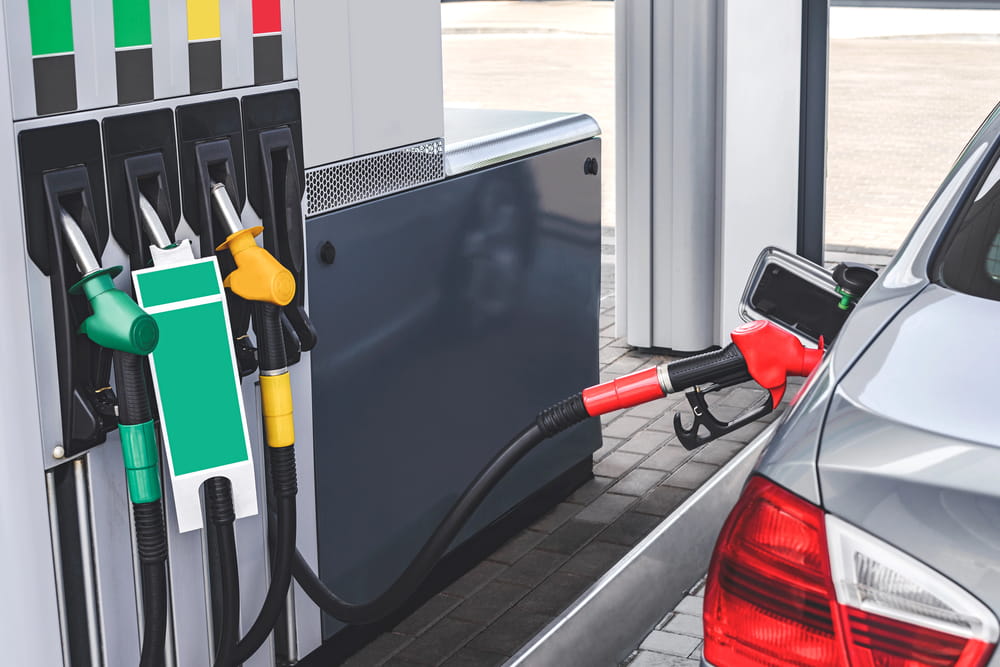
For decades, the federal government has used Corporate Average Fuel Economy, better known as CAFE, to push automakers towards building vehicles that consume less gasoline. The basic idea is relatively simple: rather than requiring every individual vehicle to achieve a particular fuel-economy number, the government sets an average that each automaker's fleet must meet. While the government does not ban car companies from making models that do not reach high efficiency standards, they may do so only when they produce other models that compensate for those shortcomings.
CAFE standards were created in response to the energy crisis of the 1970s. They are administered by the National Highway Traffic Safety Administration, or NHTSA. These standards are mainly intended to encourage automakers to improve engines, transmissions, aerodynamics, weight and other technologies that reduce fuel consumption.
An ambitious fleetwide target of 50.4 Miles Per Gallon (MPG) by model year 2031 was established during the Biden administration. Car manufacturers have been working very hard to meet that standard; however, on September 28, 2026, the Trump administration rolled back these requirements. The new rule reduces the previously established fleetwide fuel-economy target for 2031 from approximately 50.4 miles per gallon to 34.9 mpg. The administration argues that the change will give automakers greater freedom to build the vehicles consumers actually want, reduce the cost of new vehicles, and eliminate regulatory pressure that it says has effectively pushed manufacturers towards electrification, which relies on mining of critical transition minerals used in lithium-ion batteries.
The administration claims that the change could reduce the average price of a new vehicle by about $1,300 and save Americans approximately $138 billion over a five-year period. Those are significant numbers, but they represent the government's estimates rather than guaranteed savings for every buyer. For consumers, the real question is more complicated: will a vehicle become cheaper to buy if it costs more to operate? The answer will depend heavily on what kind of vehicle a person buys, how much they drive, current fuel prices, and how automakers respond to the updated rules.
Under the new rule, the fleetwide average is projected to be approximately 15 mpg less by model year 2031 than mandated under the Biden administration. NHTSA describes its broader approach as a reset of the CAFE program and says the changes are intended to bring the program into compliance with what the agency considers the realistic progression of automotive technologies, giving manufacturers more flexibility.
For the average car buyer, however, the numbers on the regulatory documents aren't nearly as important as what happens at the dealership.
The Potential Positives for Consumers Include:
- More Choices in the New-Car Market – This law will allow automakers to build off-road and sports cars that don't score particularly well on fuel economy. This means that consumers are likely to see the comeback of the beloved V8 and V6 motors in various SUVs, pickup trucks, vans, and performance vehicles.
- Potentially Lower Upfront Vehicle Prices - The Trump administration estimates that the rollback could reduce the average cost of a new vehicle by approximately $1,300. However, the number is somewhat uncertain, as it relies on several variables, but one thing that is not up for debate is the fact that manufacturers spend a lot of money working hard to meet increasingly demanding fuel-economy requirements. This involves a lot of extra costs in engineering, manufacturing and materials that can have some effects on the vehicle’s price.
- Less Pressure Towards Expensive Electrification - The Trump administration has repeatedly argued that previous fuel-economy and emissions policies placed excessive pressure on manufacturers to move towards electric vehicles. The new CAFE policy is intended to give manufacturers greater flexibility, allowing them to build and sell cars that consumers actually want to buy, rather than effectively steering their product development towards a particular type of vehicle. It is important to keep in mind a lot of consumers aren't ready to purchase an EV and may never be, this is why it is vital that the industry does not stray away from the good old combustion engine.
- Potential Benefits for Larger Vehicles and Work Trucks - A family that needs a large SUV or a minivan is in a very different position from someone commuting alone in a compact sedan. The same is true for consumers buying vehicles for commercial use; this includes contractors, landscapers, farmers, construction workers and people who regularly tow trailers. For these consumers, fuel economy isn't always the most important consideration. For people that use a vehicle for business use, like towing capacity, range, durability and capability can matter considerably more. Looser fleetwide fuel-economy requirements could make it easier for manufacturers to continue producing vehicles designed around those priorities.
- Long-term Reliability - There is another possible benefit that is easy to overlook. When automakers are forced to meet increasingly difficult efficiency targets, they may need to incorporate expensive new technology across large portions of their product lineup. At a certain point some of this technology is bound to become very inexpensive and widely available. But during the transition, consumers can end up paying for it whether they particularly want it or not. A less aggressive regulatory environment could allow manufacturers to use more conventional technologies and materials in vehicles where the additional efficiency isn't worth the additional cost to the customer.
The Potential Negatives for Consumers
- Lower Fuel Economy Could Mean Higher Gasoline Bills - This is probably the most obvious downside. If manufacturers produce vehicles that use more fuel, owners will generally buy more gasoline to travel the same distance. Another thing to keep in mind is the fact that as gasoline becomes significantly more expensive in the future, consumers driving less-efficient vehicles could feel the difference every time they visit a gas station.
- Efficiency Improvements Could Slow Down – Fuel economy has historically been the driver for many automotive innovations and technologies. Removing some of the government pressure for automakers to innovate could reduce the incentive to spend billions developing incremental efficiency improvements. That doesn't mean technology will suddenly stop improving, it is more like it will improve at a slower pace.
- Environmental Costs – One of the most significant costs is air pollution, as fuel economy and emissions are directly related. Burning less gasoline generally means consuming less petroleum and releasing less carbon dioxide into the air. The Center for American Progress has argued that the rollback will increase air pollution.
- The Cheapest Car to Buy May Not Be the Cheapest Car to Own – The dilemma between low-cost vehicles and fuel economy is amongst the most important issues affecting ordinary consumers. The bottom line is that a lower sticker price does not automatically mean lower ownership costs. For example, take two vehicles that may be cross shopped. Vehicle A costs $40,000 and gets 38 mpg and vehicle B costs $38,500 and gets 24 mpg. At first glance, Vehicle B looks like the better deal because it costs $1,500 less. However, if the owner plans to drive the vehicle a lot, the fuel difference can quickly overwhelm the initial purchase-price savings. This is why it is so important to look beyond the MSRP when shopping for a vehicle.
What This Could Mean for the Used-Car Market
The effects won't necessarily stop at the new-car dealership. If Americans continue to purchase large SUVs and trucks, the used market will eventually receive more of those types of vehicles. That could provide used car buyers with a wider selection of used trucks and SUVs. It could also create a greater separation between the operating costs of different vehicles.
This influx of larger vehicles on the used car market may also affect prices, as the prices for these types of vehicles are likely to soften in these conditions, especially when you factor in today’s high fuel costs. The opposite is true when it comes to more efficient vehicles such as hybrids. Fuel consumption becomes increasingly important as the vehicle ages and gasoline prices increase. For used-car shoppers, fuel economy could become an even more important part of the total cost of ownership.
The Takeaway
The CAFE rollback isn't simply a question of whether fuel-economy regulations are good or bad. It changes the trade-off between vehicle price, vehicle choice and operating cost. While the potential advantages appear relatively straightforward, it is very difficult to predict the long-term impact these changes will have on automakers and consumers.
As consumers needs are different, some buyers will gladly pay more at the pump for a powerful V8 pickup or large SUV that better fits their lifestyle, while others may prefer to spend more upfront for a hybrid or highly efficient vehicle and save money on fuel over the next decade. The real impact of the CAFE rollback may therefore be less about forcing Americans into one particular type of vehicle and more about giving the market greater freedom to offer different choices.
Explore CarValid

Buying A Used Car?
Get a CarValid Vehicle History Report with one simple search