Why Real-World MPG Does Not Match Manufacturer Claims
Justin S
Created by: Mar 19, 2026
|
Modified by: Mar 19, 2026
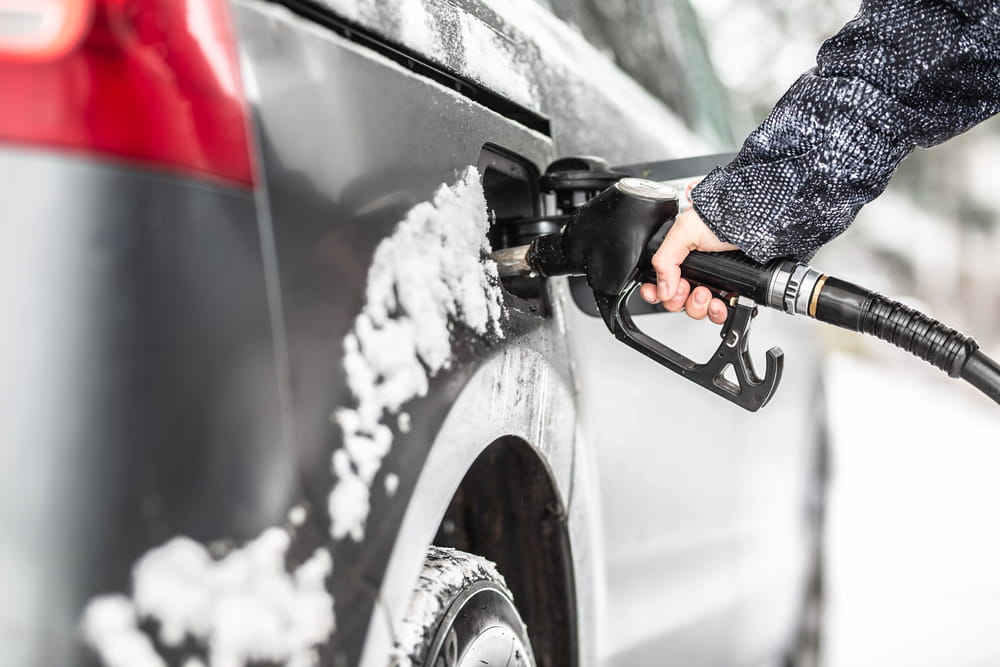
If you’ve ever compared your vehicle’s real-world fuel economy to the numbers advertised by the automaker, you’re most likely going to be disappointed, as it feels like no matter what you do you are unable to replicate those MPG claims. While manufacturers publish miles-per-gallon (MPG) ratings for every vehicle, most drivers find that their real-world results almost always fall short. The reason why there is a gap between the manufacturer claims and real-world results can primarily be attributed to how the fuel economy is tested versus real-world results.
How MPG Is Calculated
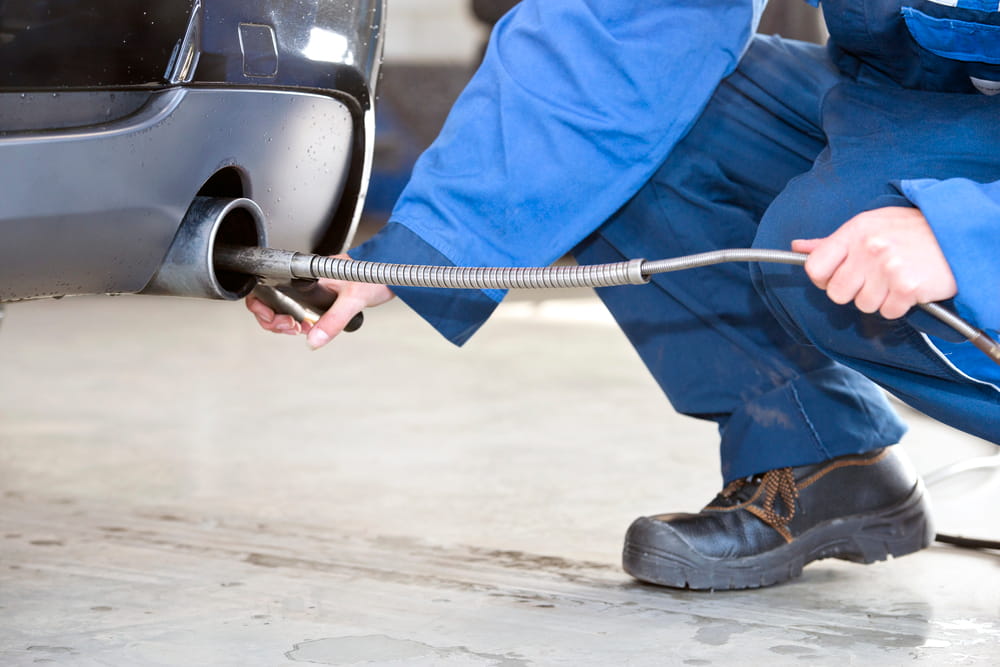
Fuel economy ratings are determined using standardized testing procedures. Vehicles are tested in controlled environments using dynamometers (essentially treadmills for cars) to simulate city and highway driving. What may surprise most people is the fact that to get the MPG estimates, the manufacturer is not required to drive the vehicle a single mile on a city road or highway. It’s no wonder these tests don’t perfectly reflect real-world conditions.
Controlled Conditions vs. Real Life
The main difference between how the MPG is calculated versus real-life results relates to a controlled environment with ideal driving conditions, no headwinds, controlled temperatures, flat terrain and predictable driving patterns.
However, those conditions are not real and do not represent real, everyday driving conditions that drivers will regularly encounter:
- Traffic congestion
- Heavy head winds
- Stop-and-go conditions
- Hills and elevation changes
- Car loaded with multiple passengers or cargo, increasing its total weight
- Hard acceleration when merging into traffic
- Weather extremes such as high heat or extreme cold
- Reduced traction due to rain or snow
- Suboptimal tire pressure or condition issues
All these factors reduce fuel efficiency and are practically impossible to avoid.
Driving Style Matters
Your driving habits and style have a major impact on MPG. Rapid acceleration, hard braking, and high-speed driving can significantly lower fuel economy compared to the smooth, moderate driving simulated in testing. Even something as simple as driving 75 mph instead of 60 mph can noticeably reduce MPG. While hard braking cannot be avoided in traffic, it also has an impact on MPG.
Test Vehicles Do Not Represent Normal Usage
It is important to understand that the vehicles the manufacturer uses to determine MPG ratings do not represent real-world conditions.
The test vehicles are typically lighter with no cargo and no other passengers, while in real-world scenarios cars can often carry:
- Passenger(s)
- Cargo
- Roof racks
- Accessories
Extra weight and aerodynamic drag can reduce efficiency. Knowing these manufacturers may choose to test the model without some of the accessories that may cause additional aerodynamic drag or optional equipment that can pose additional weight penalties.
Climate and Temperature Matters
Cold weather is a major MPG killer. Engines take longer to warm up, and fuel systems operate less efficiently in lower temperatures. Additionally, using air conditioning in hot weather also reduces fuel economy. So, while real-world driving can be in a range of suboptimal temperatures, the vehicles tested are always done in a controlled climate environment.
Vehicle Maintenance and Condition
A vehicle’s condition plays a huge role in how efficiently it runs. There are many factors that can lower MPG and amongst the most popular are:
- Underinflated tires
- Dirty air filters
- Worn spark plugs
- Worn suspension components
- Drivetrain issues
- Lack of regular maintenance
Are manufacturers misleading us with their unrealistic MPG ratings?
This topic has been debated by automotive industry insiders and consumers for a very long time and while we can all admit that the practice of getting MPG ratings in a controlled test environment may not be ideal, it does have one major benefit. Since the fuel economy ratings are determined using standardized testing procedures set by the Environmental Protection Agency (EPA), each and every vehicle, regardless of the manufacturer, undergoes the same exact testing protocol. This makes the manufacturer’s MPG ratings a good comparison tool when shopping around for a new vehicle. These ratings allow buyers to evaluate one vehicle against another under the same testing conditions. However, they are not designed to predict exactly what every driver will experience in real-world driving conditions.
How to Get Closer to Rated MPG
While matching official numbers perfectly may be highly unlikely, you can improve your fuel economy by:
- Driving smoothly and avoiding aggressive acceleration when possible
- Maintaining proper tire pressure
- Reducing excess weight when possible
- Keeping up with routine maintenance
- Avoiding excessive idling
- Make timely repairs and use original parts
The Takeaway
Manufacturer MPG ratings provide a useful baseline, but real-world results depend heavily on how, where and when you drive. Understanding the difference between laboratory testing and everyday conditions helps set realistic expectations.
Explore CarValid

Buying A Used Car?
Get a CarValid Vehicle History Report with one simple search
Popular Articles