Is California going to be the first state to ticket driverless cars?
Justin S
Created by: May 13, 2026
|
Modified by: May 13, 2026
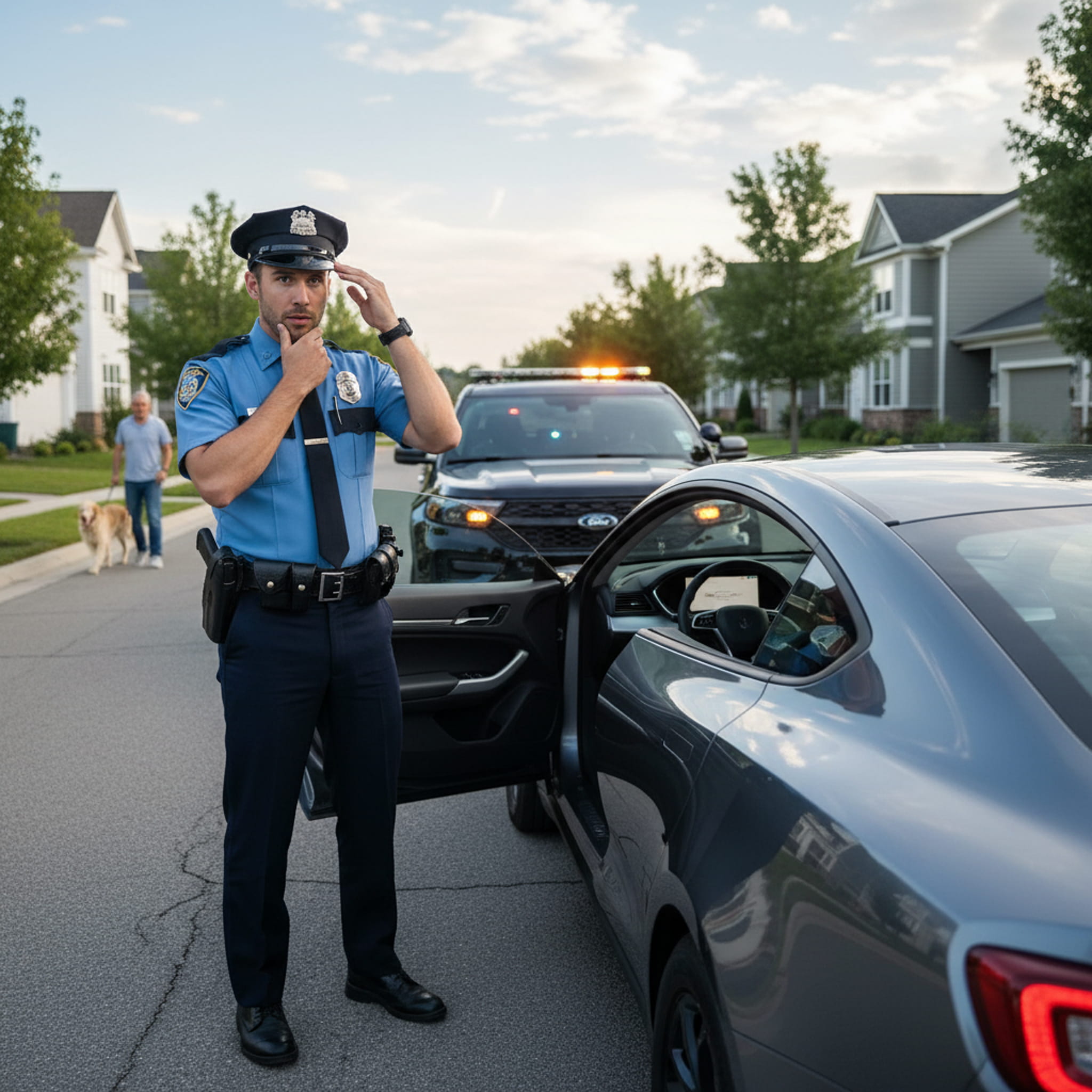
Starting as early as July of 2026, California will begin ticketing driverless cars. California is the first state to implement a formal system with specific guidelines for police officers to follow when they spot a driverless vehicle braking traffic laws. Law enforcement will be able to begin ticketing driverless vehicles starting July 1, 2026. California Assembly Bill 1777 is designed to close a legal loophole that previously made it difficult for police officers to enforce traffic laws against fully autonomous cars operating without a human driver. While this regulation has wider implications it has a more immediate impact on autonomous, rideshare companies like Waymo and Zoox. These companies will be fined directly for traffic violations committed by their vehicles.
The purpose of the new legislation
As autonomous vehicles are becoming more common on public roads, they have been witnessed creating incidents involving illegal turns, traveling the wrong way on a one-way street, causing traffic obstruction, and other violations. Well-publicized videos of Waymo vehicles blocking the road or making illegal turns have become quite popular on YouTube and other social media platforms, bringing attention to both law enforcement and the public.
The issue is that with autonomous vehicles, police officers face a strange problem: not knowing who to ticket for the violation when there is no one behind the wheel. Officers were unable to issue traditional citations because existing laws were written around human drivers. This new legislation adds some badly needed clarity to this process.
How the New System Will Work
Under California's newly enacted traffic rules and Assembly Bill 1777, police officers will be able to issue “Notices of Autonomous Vehicle Noncompliance”. These citations will be directed at the autonomous vehicle operator or company instead of a human driver.
Violations may range from everything from illegal turns, running stop signs or red lights, to blocking emergency passways and failing to yield to emergency vehicles. The citations will be reported to the California DMV, which can then determine penalties or additional actions.
The regulations also introduce strict new oversight for autonomous vehicle companies.
These companies will be required to:
- Have and display a dedicated emergency response phone number.
- Communicate faster with first responders and law enforcement.
- Abide by geofencing guidelines to keep autonomous vehicles out of restricted emergency areas.
- Conduct increased testing and create reporting standards.
There is even some talk about emergency personnel being able to electronically direct driverless vehicles away from accident scenes or active emergencies in the very near future.
How These Changes May Affect the Public
Online debates surrounding the change driven by new autonomous driver technology frequently mention the need to modernize laws for an era where software is controlling the car. This new bill is aimed at addressing those concerns by establishing new legal processes that create a system of accountability, ensuring safety does not take a backseat to innovation. There is no reason why autonomous vehicles should be exempt from following the same traffic laws as human drivers. The companies operating these vehicles should be held responsible when their systems make mistakes that cause road safety concerns and congestion.
Despite advances in autonomous technology, serious concerns remain about unexpected traffic behavior, emergency scene interference, software reliability and how those aspects can impact public safety. There have already been multiple documented incidents involving autonomous taxis making illegal maneuvers or obstructing traffic, intensifying scrutiny from regulators and local officials. While this move may appear as a turn in the right direction, it is uncertain how much of an impact this new bill will have on improving road safety, reducing congestion and streamlining police interactions with autonomous vehicles.
Final Thoughts
The ability to ticket driverless cars marks a significant milestone in the evolution of traffic laws and processes. As a response to a growing problem, California’s decision reflects a new reality that these laws were originally written for human drivers and are now being adapted for artificial intelligence and autonomous systems.
As driverless technology continues to expand, other states will likely adopt some of these new California based laws and practices.
Explore CarValid

Buying A Used Car?
Get a CarValid Vehicle History Report with one simple search
Popular Articles