Lost All Your Car Keys? Here's What You Should Do
Justin S
Created by: Aug 13, 2026
|
Modified by: Aug 13, 2026
Dealing with lost car keys used to be a relatively simple problem. If you had lost the key to an older vehicle, you could often call a locksmith, have a new key cut and be back on the road relatively quickly. However, on most modern vehicles’ things are not so simple. You cannot just go and cut a new key and call it a day.
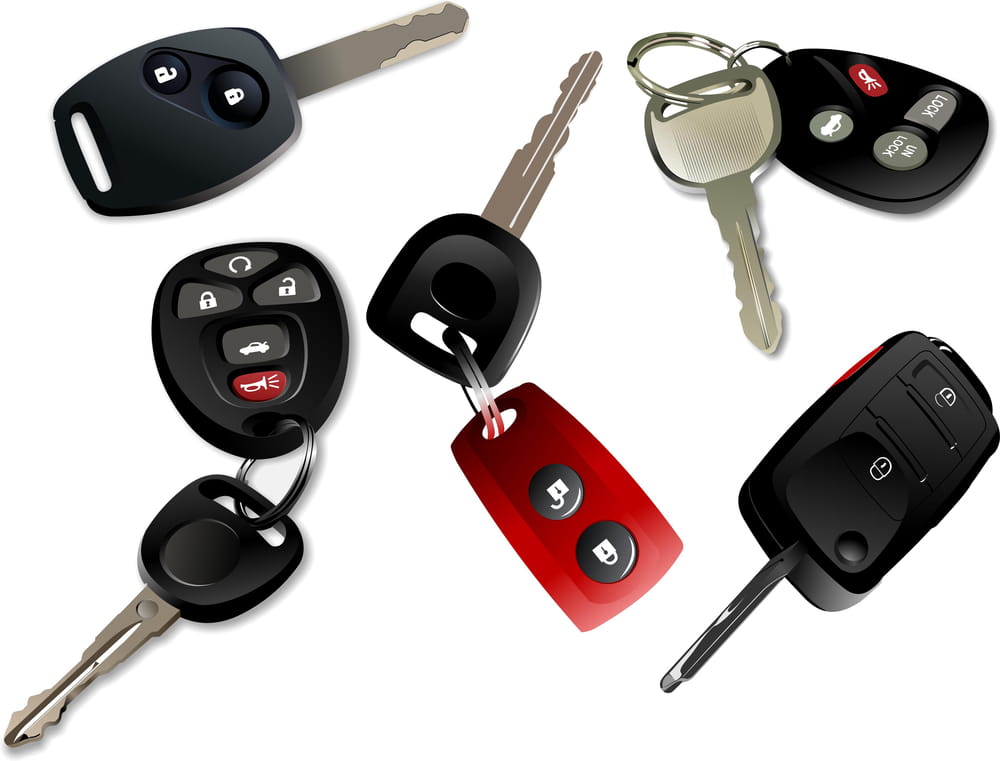
Today's cars can use electronic transponder keys, smart key fobs, push-button ignition systems and sophisticated immobilizers that communicate with several electronic control modules. The physical key is only one part of a complicated security system. The vehicle must recognize the electronic credentials associated with the replacement key and that may require advanced programming by a professional automotive technician or dealership service center. Needless to say, losing your last remaining car key can turn a relatively inexpensive key replacement into a much more involved repair.
Understanding The Difference Between Car Key Types
First, you need to know exactly the type of key your vehicle has. This will determine how difficult and costly the replacement process will be.
- Most Vehicles Built Before 1990 - Older vehicles built before 1990 may use a traditional mechanical key that only operates the locks and ignition. These are generally the easiest and least expensive keys to replace.
- Most Vehicle Build After 1990 - Many vehicles built from the 1990s onward introduced transponder keys. These look similar to traditional keys but contain a small electronic chip. Most 90s and newer vehicles are equipped with an immobilizer, which works to identify and verify the key chip before allowing the engine to start. Simply cutting a new key that physically fits the ignition isn't enough; without a valid transponder chip, the car engine may crank but not start or start and then die right away, as the immobilizer will not allow the vehicle to be driven.
- Modern Vehicles - Newer vehicles often use a smart key or proximity fob. Instead of inserting a key into the ignition, the vehicle detects the fob electronically. Pressing a button can unlock the doors, and the engine can be started with a push button. Replacing these types of keys tends to be more time-consuming and costly than ones on older vehicles.
Don't Assume You Automatically Need the Dealer
One of the biggest misconceptions about lost car keys is that a dealership is the only option. While it may be true in some rare cases, it is certainly not true for all cases. A qualified automotive locksmith may be able to cut and program replacement keys for many modern vehicles. Depending on the make, model and year, a locksmith may have the equipment necessary to communicate with the vehicle's immobilizer system and register a new key. In some cases, the car’s ECU (Electronic Control Unit) may need to be re-flashed/reprogrammed in order to allow a new key to be programmed. In addition to programming services, most modern locksmiths can offer key cutting and other automotive services.
The key thing to keep in mind is that all car makes handle security a bit differently, so while some cars may be relatively easy to program new keys for, others may mandate manufacturer-specific equipment, security keys, software or procedures that are only available through an authorized dealer.
If you are not sure which category your car falls into, it is best to always consult with a professional automotive locksmith before going to the dealership. Simply tell them the exact year, make and model of the vehicle and they will be able to explain to your which option will work best. Keep in mind a local locksmith will typically charge a fraction of the price of a dealership.
In some cases, the vehicle's security system can effectively be reset or reconfigured so that the replacement keys become the authorized keys. This can be particularly useful when all original keys are lost. However, the procedure is highly vehicle-specific. Some vehicles require an existing programmed key to authorize additional keys, while others have separate procedures for an all-keys-lost situation. This is one reason it is important to tell the locksmith that you have zero working keys, rather than simply saying that you need a spare.
Certain modern vehicles use security systems that are closely tied to the manufacturer's diagnostic infrastructure. These tend to be a bit more complicated to program, as the dealership may be required by the manufacturer to verify ownership and obtain security information prior to being allowed to order a vehicle-specific key or perform programming using factory equipment. However, the hardest part lies in the fact that the security protocol is spread across multiple car modules requiring reprogramming and rather than simply programming the key itself. Keep in mind in most modern cars a replacement key may need to be recognized by multiple modules before the vehicle will allow the engine to start and the car to be put in gear.
This is also why replacing the physical key or purchasing an inexpensive aftermarket fob online doesn't necessarily solve the problem. The process of having the vehicle recognize that fob is the biggest undertaking when replacing keys on most modern cars.
If you plan to take the vehicle to a dealership, expect to provide documentation proving that you are authorized to have the key made. Documentation such as registration, title or purchase paperwork may be required when seeking a replacement key. While it may feel like unnecessary bureaucracy, that is not always the case. Modern key-programming equipment can potentially be used to add an unauthorized key to a vehicle, so legitimate locksmiths and dealerships have good reason to verify ownership. No legitimate business wants to be implicated in any criminal activity.
Why Buy a Cheap Key Online? Isn't Always the Answer
There are countless replacement key fobs for sale online, and some are perfectly legitimate replacements. The problem is that compatibility and programming requirements vary considerably. A replacement fob might have the correct buttons and look virtually identical to the original while using a different electronic configuration. In addition, even if the aftermarket key is compatible, it will still need programming, so that part is practically unavoidable.
Some vehicles permit owner programming under specific circumstances. Others require specialized diagnostic equipment. AAA notes that some cars allow owners to program new keys themselves, while many require professional programming. Before purchasing an inexpensive replacement online, find out whether your vehicle requires a specific part number, frequency, transponder type or manufacturer-specific programming procedure. Keep in mind if a cheap fob cannot be programmed, it is nothing more than a paperweight and not a good one at that.
What If the Keys Were Stolen?
Losing your keys and having them stolen are two completely different situations. If you believe somebody may have possession of your missing key, simply adding another key isn't going to address the issue. Depending on the vehicle, you may want to ask whether the lost key can be removed from the vehicle's authorized-key list.
The good news is that if you have one of the original keys, you should be able to have a new key with completely different authentication be added as the primary key on many modern vehicles. Some systems allow previously authorized keys to be erased when new keys are programmed when the original key is present. This is not the case for all makes, so it is important to research your specific vehicle year, make and model to know if this option will work for you.
Things will get considerably difficult when all of the vehicle keys are stolen. Unfortunately, a lot of modern key programming tools and procedures have increasingly been linked to vehicle theft. Sophisticated criminals have been known to use professional diagnostic equipment to program unauthorized keys through a vehicle's diagnostic port. For that reason, manufacturers have made considerable effort in making programming new authorized keys without the original keys more difficult. The best thing to do in this case is to seek the guidance of a professional automotive locksmith.
The easiest or cheapest solution is not always the best one.
Some online posts recommend replacing expensive modules such as the immobilizer, body control and ECU. This may not be the easy fix most people are looking for. Computer modules in modern vehicles are designed to work together through something called the Canbus system. Replacing these modules in most cases will not help you avoid programming and learning procedures. A competent professional should first determine whether the existing modules can be programmed and accept a replacement key.
Beyond complicated synchronization and programming procedures, replacing electronic control modules can become extremely expensive. The better approach is to diagnose the vehicle's particular key system first to understand the most effective approach.
The key takeaway here is that there isn't one universal answer to an all-keys-lost situation. An older vehicle with a conventional key might cost very little to get back on the road. A vehicle with a transponder key may require cutting and programming. A newer proximity-key vehicle could require a specialized fob, security authorization and programming. In some cases, an independent automotive locksmith can handle everything. In other cases, the dealership is the most practical option.
Simple steps to follow when you lose your keys
If you've lost every key to your modern vehicle, a sensible approach is to:
1. Locate your VIN.
The VIN will allow a locksmith or dealer to identify the exact vehicle and determine what type of key it uses.
2. Gather proof of ownership.
Have your registration, title and driver’s license/ID available.
3. Determine the key type.
Find out whether the vehicle uses a mechanical key, transponder key, remote fob or proximity smart key.
4. Call a reputable automotive locksmith.
Give them the exact year, make and model and specifically tell them if all keys are lost. Ask them whether the vehicle can be programmed for new keys. Don't assume that the dealer is automatically required. Ask whether lost keys can be erased from the vehicle's memory. This is particularly important if the keys were stolen.
7. Go to the dealer if necessary.
If the vehicle requires manufacturer-specific equipment or security authorization unavailable to the locksmith, dealership service may be the appropriate solution.
8. Make at least one spare key afterward.
The cost of making a spare while you still have a working key is usually far less painful than repeating an all-keys-lost situation.
The Best Time to Make a Spare Key Is Before You Need It
The biggest lesson from losing all your keys is surprisingly simple: don't wait until you have no keys left to make another one.
Having two working keys can turn a potentially expensive emergency into a relatively simple key-copying job and with some modern vehicles, the difference between having one functioning key and having none can be substantial.
Modern automotive security has made vehicles considerably more difficult for unauthorized people to start, but that same technology can make legitimate key replacement more complicated.
If you lose every key, don't immediately assume your vehicle needs an expensive computer replacement or that you have no choice but to pay a dealership. Start by identifying the vehicle's key and immobilizer system, contact a qualified automotive locksmith, and find out whether the vehicle can be legitimately reprogrammed to accept new keys.
Explore CarValid

Buying A Used Car?
Get a CarValid Vehicle History Report with one simple search