Should you buy New or Used Car, Which Is the Better Choice?
Justin S
Created by: Oct 14, 2026
|
Modified by: Oct 14, 2026

Buying a car is amongst the top biggest financial decisions that consumers make and choosing between a new vehicle and an older one is not always as straightforward as it seems. The buyer is forced to make a choice between something new and shiny packaged with the latest tech and something that may have been around for a little while but offers a better value.
There is no universal answer and ultimately choosing between those 2 options will rely greatly on the consumer’s budget, driving habits, mechanical knowledge, and how long you intend to keep the vehicle. Understanding the advantages and disadvantages of both options can help you make a more informed decision that you are unlikely to regret in the near future.
The Benefits of Buying a New Car
Let’s start by listing all the benefits that come with buying a new car:
- Warranty Protection and Peace of Mind - One of the biggest advantages of buying a new car is the manufacturer's warranty. Most new vehicles come with coverage for certain repairs during the first several years of ownership, helping protect buyers from unexpected expenses caused by manufacturing defects or component failures.
- No previous ownership history to worry about – No need to investigate the vehicle’s previous ownership history and if services were performed during manufacturer recommended intervals. You never need to worry about hidden accident damage, neglected maintenance, undisclosed mechanical problems, or questionable repair work performed by a previous owner.
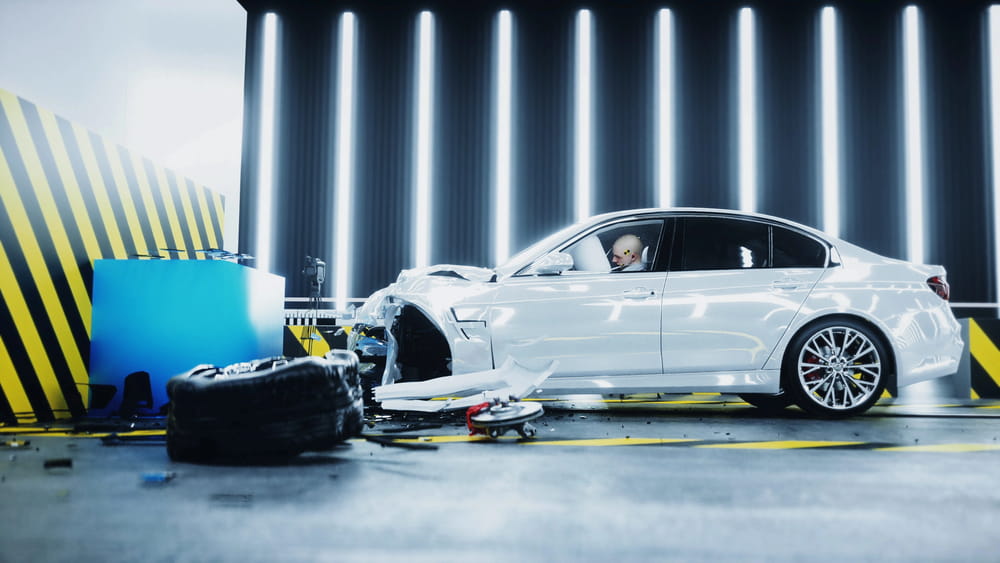
- Modern Safety Features - Automotive technology has advanced considerably over the past decade. Many new vehicles offer automatic emergency braking, blind-spot monitoring, adaptive cruise control, lane-keeping assistance, and improved crash protection. However, it is important to keep in mind that not all new cars include every safety feature as standard equipment. Buyers should compare the actual equipment and crash-test results of individual models.
- New Technology – Many new cars come with the latest and greatest tech features. Most new cars come with Apple CarPlay and Android Auto as standard. Along with advanced infotainment systems, smartphone integration, backup cameras, and advanced lighting systems, new cars offer a level of convenience not found in older vehicles.
- Predictable Ownership Costs - A new vehicle generally requires fewer repairs during its first several years. As with all cars, a new car will require regular maintenance, like tire and brake replacement and oil changes. This predictability makes budgeting easier, particularly for people who depend on their vehicles for work and cannot afford unexpected downtime.
The Drawbacks of Buying a New Car
Buying a new car also has some clear drawbacks.
- High Depreciation Rate – New cars have a high depreciation rate within the first 3 years. In fact, with some vehicles like the BMW 7 Series will depreciate as much as 30% within the first year alone. Granted, the initial depreciation rate will vary based on a vehicle’s make and model, but it is safe to say that it is a significant concern. It is no wonder that high depreciation is generally considered the most significant financial disadvantage of buying a new car. A vehicle begins losing value as soon as it is driven off the new car lot.
- Higher Purchase Prices and Insurance Costs – New cars tend to cost more beyond the initial sticker price. If you plan to finance the vehicle, then the higher purchase prices can mean larger loan balances, bigger monthly payments, and more interest paid over the life of a loan. Additionally, insurance generally costs more for a new car especially premium vehicles with a lot of bells and whistles. This is due to the simple fact that it costs more to repair a newer vehicle. The insurance companies account for all the things that can break and need replacement during an accident, such as advanced sensors, cameras, headlights, and body components.
- Higher Risk of Becoming Upside Down on a Loan – Being upside down on a loan simply means that the balance you owe to the bank on a car loan exceeds the value of that car on the used car market. This can create problems if the owner needs to sell the car or if after an accident where the car is written off as a total loss the insurance settlement does not cover the remaining loan balance.
The Benefits of Buying an Older Car
While buying used is not for everyone, it tends to have some strong benefits including:
- Lower Purchase Price and Less Depreciation – We can start with a significantly lower purchase price than an equivalent car being sold new. A vehicle that originally cost $50,000 may sell for nearly half that price just a few years later. There are some outliers that will influence the price, such as condition, mileage, reliability and demand. If you are buying a car 3 years old or newer, then essentially what you are doing is allowing the first owner to take the biggest depreciation loss while still getting a vehicle with many useful years of service remaining.
- Less Financing Headaches -Lower purchase prices can also make it possible to finance less or avoid financing altogether. Borrowing less can reduce the total cost of ownership. Buying a dependable used car with cash eliminates monthly loan payments and interest charges, freeing up money for savings, investments, housing, or other priorities.
- Proven Reliability and Simpler Engineering - An older vehicle may have an established reliability record. By researching common problems, repair costs, recalls, and owner experiences, buyers can make a more informed decision about which models are likely to provide dependable service. Often times, reliability depends heavily on the specific model, maintenance history, driving conditions and how the vehicle has been treated. Age alone does not guarantee simplicity or durability.
- Lower Repair Costs - Some older cars also have fewer advanced tech features and complicated mechanical systems and fewer electronic components. This often equates to more straightforward repair procedures and lower-cost repairs. For owners who perform their own maintenance, this can be a major advantage.
- Lower Financial Risk - Buying an older vehicle can reduce the amount of money tied up in a depreciating asset.
The Drawbacks of Buying an Older Car
Just like with everything, where there are benefits, there are also drawbacks and to best understand the difference between buying new versus pre-owned, it is important we explore both.
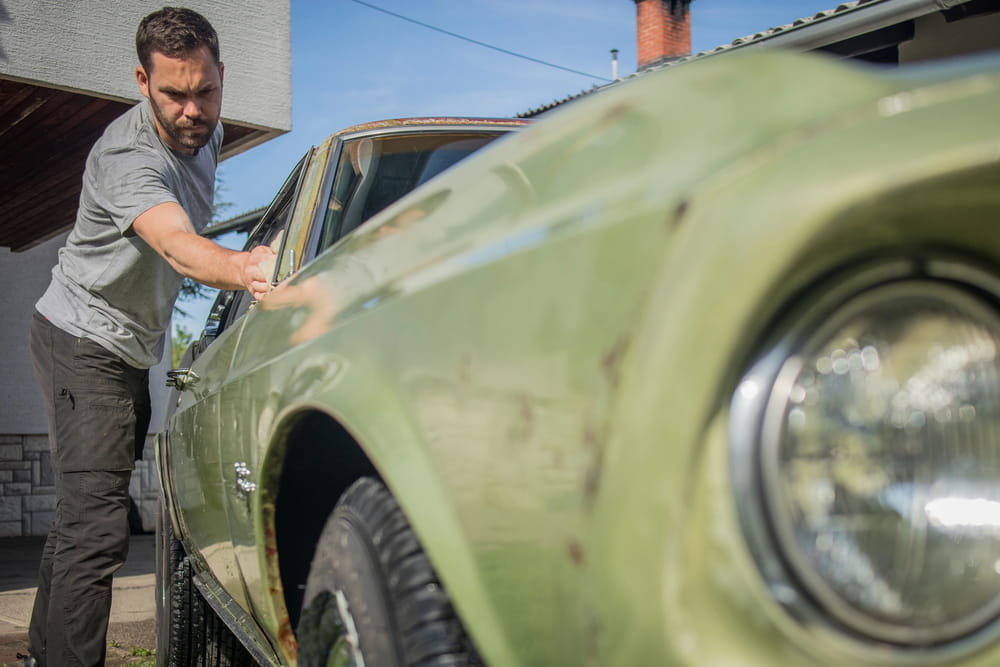
- Unexpected Repairs and Maintenance - The biggest disadvantage of an older vehicle is the possibility of unexpected breakdowns and expensive repairs. Vital vehicle components such as engines, transmissions, suspension components, cooling systems, air conditioning systems, and electrical equipment all wear with age and use. A used car that is inexpensive to purchase may quickly become costly if it needs major repairs such as engine work, transmission replacement, or extensive mechanical repairs. This is why it is vital to have the vehicle professionally inspected prior to the purchase. A pre-purchase vehicle inspection may identify badly needed repairs, hidden collision damage, worn parts and other issues that may affect the vehicle’s value. Regardless, if you are buying a certified pre-owned or a private party sale from the Facebook Marketplace, budgeting for unexpected repairs and maintenance may help you avoid costly breakdowns in the future.
- Cost of Hidden History Events and Problems – A preowned vehicle may have had a difficult life without showing any signs to the untrained eye. Behind the shiny paint job, the car could be hiding poorly repaired accident damage and substandard aftermarket parts as well as legal issues. This is why it is so important to run a full vehicle history report prior to finalizing the sale. A vehicle history report can help identify past accident events, total loss history, title brands, flood damage, repossessions, safety recalls, lemon law buy back events and more…
- Older Safety Features and Technology - Older vehicles may lack modern crash protection, advanced driver-assistance systems, and newer convenience features. Depending on the vehicle's age, buyers may also have to live with outdated infotainment systems, less efficient engines and fewer comfort options.
So, Which Is the Better Choice?
The best decision comes down to the buyer’s needs. What is the most important thing to the buyer will vary based on personal needs, budget, and lifestyle. In order to make a smart decision, it is important to take the time to research new and used models of the car you intend to purchase, compare total expenses, and have any used vehicle inspected before handing over your money. A little preparation can make the difference between a satisfying purchase and an expensive mistake.
Explore CarValid

Buying A Used Car?
Get a CarValid Vehicle History Report with one simple search