Is Dealer New Car Buying Incentives Coming Back?
Justin S
Created by: Jul 22, 2026
|
Modified by: Jul 22, 2026
For much of the past several years, consumers have been buying a new vehicle at or even above the sticker price. We all heard it a million times: Covid19 caused a major ripple throughout the automotive industry. Inventory shortages caused by supply chain disruptions and semiconductor shortages left dealership lots nearly empty, giving dealers little reason to negotiate even. Many buyers found themselves paying dealer markups, waiting months for factory orders or settling for whatever happened to be available. During the inventory shortage, used vehicle prices skyrocketed because buyers who couldn't find new vehicles turned to the pre-owned market. In some cases, lightly used vehicles sold for nearly the same price, and in some cases, with high consumer demand, models could sell for more than their new counterparts.
Even after the global economic impact of the pandemic stabilized, dealers would routinely add additional markups to vehicles. In the end it is all about supply and demand and as long as the demand outweighs the supply, prices remain high with no reason for dealers to add any worthwhile buying incentives to the customer.
Today, the market looks very different. Vehicle production has largely recovered, inventory has increased and many dealerships are now facing a new challenge. It appears that the demand for many new vehicles is softening, making moving cars off the lot more challenging for dealers than in the previous few years. Manufacturers and dealers are once again turning to rebates, low-interest financing, lease specials, and other incentives to attract buyers. For consumers, this changing market may create opportunities that haven't existed in years.
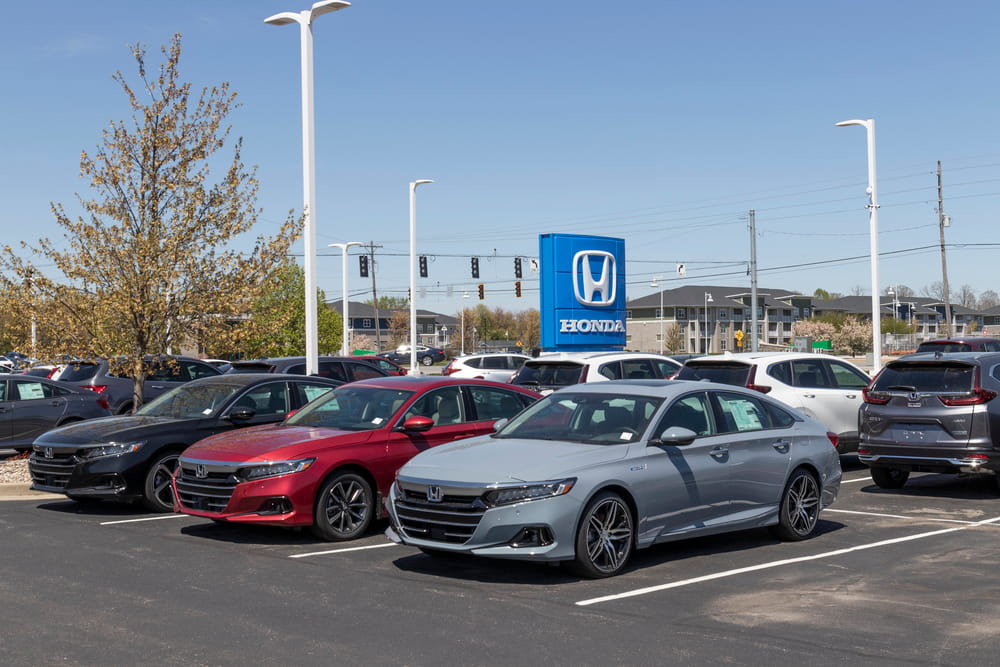
Dealer Lots Are Filling Up
Most dealerships are receiving a steady stream of new car inventory. While this is welcome news after years of shortages, consumer demand has slowed considerably. The reason for this can be attributed to a number of economic factors such as inflation, higher interest rates, high fuel prices and the overall low confidence in the American economy. Further compounding the problem is the record-high vehicle prices driving many shoppers to delay purchasing a new vehicle.
The result is simple economics. Cars sitting on dealership lots cost money. Dealers pay interest on inventory through floorplan financing. Every month a vehicle remains unsold reduces its profitability. Instead of watching inventory accumulate, many dealerships are choosing to offer discounts and incentives to encourage buyers to make a purchase.
Dealer and Manufacturer Incentives Are Making a Comeback
Manufacturers have also recognized that consumers are becoming increasingly price sensitive. Gone are the old days of being able to charge the customer extra just for the privilege of ordering a run-of-the-mill car. In order to keep the industry above water, manufacturers and dealers are working to stimulate sales. Many brands have begun offering incentives that had virtually disappeared during the inventory shortage.
Common incentives include:
- Cash rebates
- Low or even promotional financing rates
- Lease specials
- Bonus cash for recent college graduates or military members
- Loyalty rebates
- Dealer discounts below MSRP
While incentives vary by manufacturer and model, shoppers today generally have much more negotiating power than they did just a couple of years ago.
What This Means for Consumers
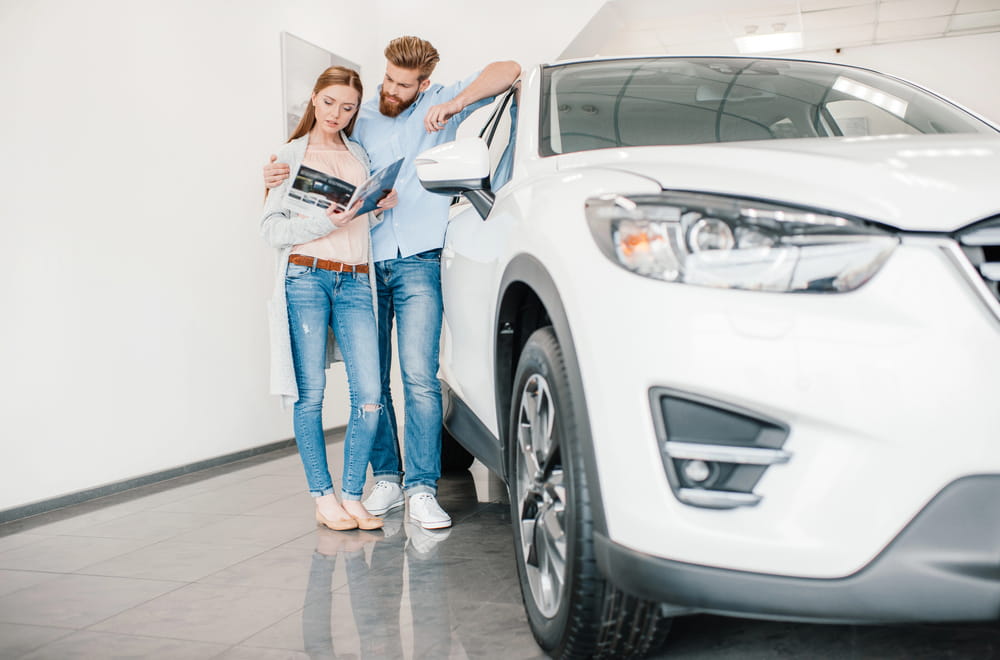
Increased competition between dealerships and manufacturers can greatly benefit buyers. Instead of competing with other customers for limited inventory, consumers are increasingly seeing dealers compete with one another for their business. Gone are the days when you had to make compromises like buying a car in a color you did not love or a car with the options that you did not want.
It’s slowly becoming a buyer’s market, allowing car shoppers to:
- Compare offers from multiple dealerships.
- Negotiate lower purchase prices.
- Receive better financing terms.
- Take advantage of manufacturer rebates.
- Find a larger selection of colors, trims, and options.
For buyers, this marks a welcome return to a more traditional car-buying experience.
Should You Buy Used?
As new vehicle inventory improves, used vehicle prices have softened in many segments. However, the used market hasn't declined at the same rate as the new car market. Desirable vehicles, especially work trucks, SUVs, and certain fuel-efficient hybrids, continue to command relatively strong prices.
Some consumers now face an interesting dilemma, whether to buy a new discounted car or a lightly preowned one.
In cases where a manufacturer offers extensive incentives and discounts, a new vehicle can often be the better value. If a dealer is discounting the selling price while the manufacturer provides low-interest financing or cash rebates, the total cost difference between a new and late-model used vehicle may be surprisingly marginal.
When you weigh the benefits and the costs of buying new versus pre-owned it is vital to consider all of the factors that matter to you.
Generally buying new offers several advantages:
- Full factory warranty coverage.
- No previous owners or unknown maintenance history.
- The latest safety technology.
- Better financing options.
- Lower maintenance costs during the first several years of ownership.
It is important to consider all factors and calculate the long-term costs. With certain incentives and substantial discounts, a new vehicle may actually cost less to own over several years than a lightly used model with a higher interest rate and less warranty coverage.
Determining which option suits your needs best is a personal decision that should be based on your budget, lifestyle and daily commuting requirements. Pre-owned vehicles remain an excellent option for many buyers, especially those shopping on a tighter budget or buying with cash. Because new vehicles depreciate most rapidly during their first few years, purchasing a vehicle that's already several years old can still provide significant savings. This is especially important for those of us that plan to keep the car past its 3rd birthday.
Used vehicles may be the better choice when:
- The new model has few or no incentives.
- You're purchasing with cash.
- You're looking for a lower insurance premium.
- You plan to keep the vehicle for many years.
- You're buying an older, well-maintained vehicle with a strong reliability record.
The key is to research the vehicle carefully and obtain a comprehensive vehicle history report before making a purchase.
Be sure to compare the total cost, not just the initial purchase price. Factor in things like final price after interest when financing, registration, insurance, average predicted yearly maintenance, monthly payment, warranty coverage limits, fuel economy and duration of the time you plan to own the vehicle.
Keep in mind that while the interest rate may not seem like a large sum of money per month, it can add up to a significant cost over the time of ownership. One of the most enticing incentives car companies may offer is a 0% interest rate. It is possible for a new car with a low-interest rate to cost less over the life of the loan than a used vehicle financed at a higher interest rate.
Final thought
The automotive market has shifted dramatically from the shortages that defined the past few years. Dealer inventories are growing, consumers have more choices, and manufacturers are once again offering incentives to stimulate sales. This gives buyers more negotiating power than they've had in quite some time.
Whether a new or used vehicle is the better purchase ultimately depends on the specific year, make and models you're comparing. If manufacturers are offering substantial discounts, rebates, and favorable financing, a new vehicle may provide the best overall value. On the other hand, if used prices continue to soften and you can find a well-maintained vehicle with a clean history, a pre-owned vehicle can still deliver excellent value. The best strategy is to compare both options side by side. Don't assume a used car is automatically the better deal simply because its sticker price is lower.
Explore CarValid

Buying A Used Car?
Get a CarValid Vehicle History Report with one simple search