Emissions Testing: Which States Require It & How to Pass
Justin S
Created by: Aug 26, 2026
|
Modified by: Aug 26, 2026
For many drivers, an emissions test is just another box to check before newly registering or renewing a vehicle's registration. Depending on where you live, emissions testing can be a little more complicated, as emissions rules aren't the same across the country. Some states like California require all vehicles to be tested across the entire state, which applies to every vehicle, while in other states, like Georgia, it only requires it in 13 counties. There are even states like Minnesota that do not require emissions testing and even vehicle safety inspections for vehicles registered for personal use.
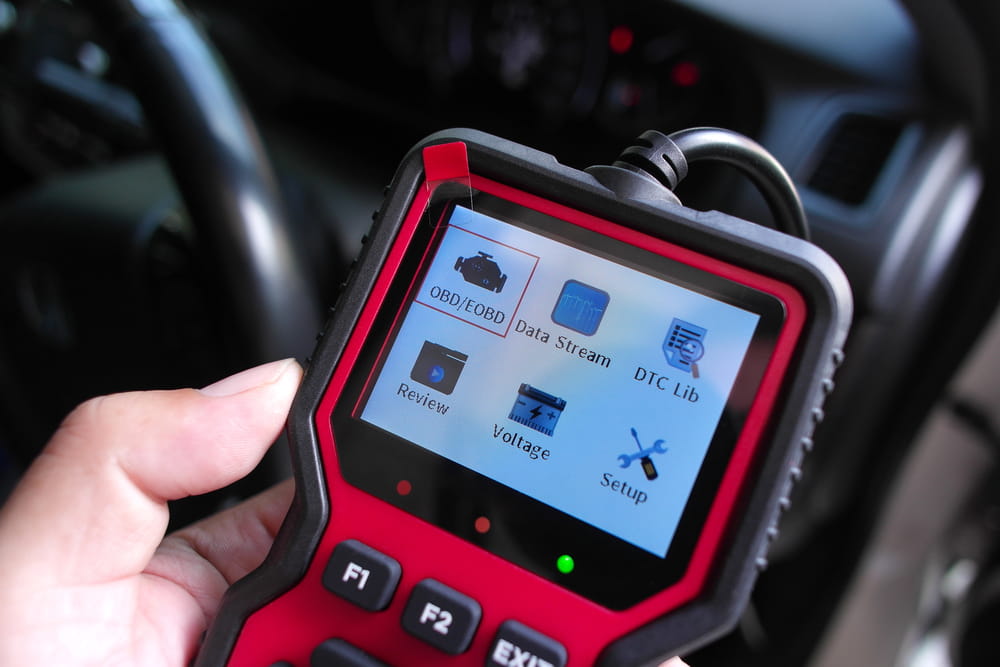
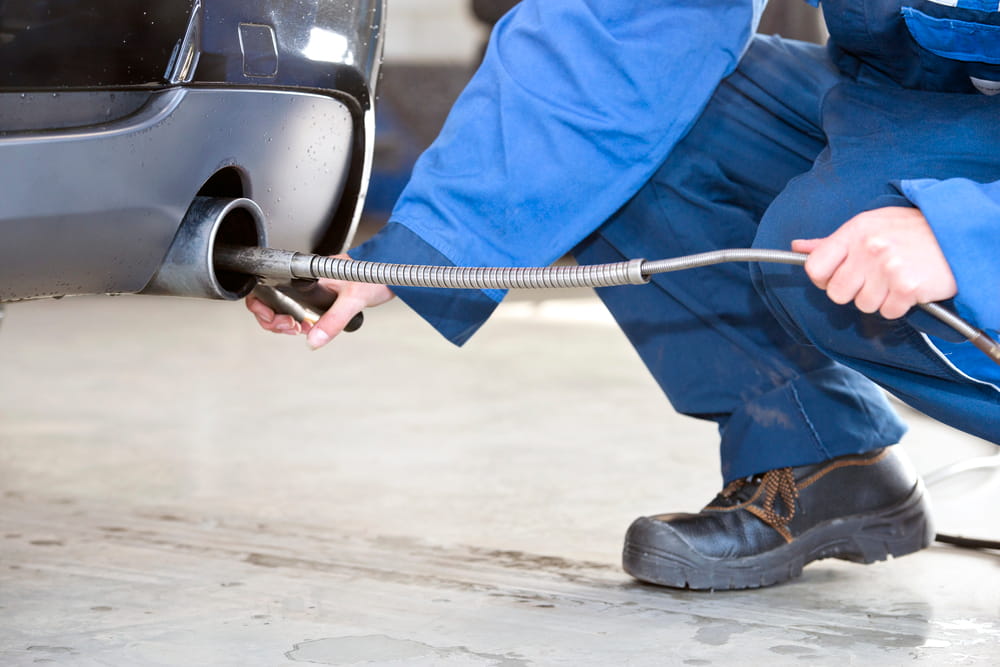
Emissions testing, sometimes referred to as a smog check or vehicle inspection and maintenance (I/M) test, is designed to identify vehicles that are producing excessive levels of pollutants. Modern testing frequently involves connecting a diagnostic computer to the vehicle's OBD-II port to determine whether the emissions-control system is functioning properly. The extent of emissions testing highly depends on the state where the vehicle is registered. Some states, emission testing can include a tailpipe test, visual inspection, gas-cap test, or other procedures. The EPA explains that inspection and maintenance programs are intended to identify high-emitting vehicles and encourage repairs that bring emissions back within legal limits.
Which States Require Emissions Testing?
As of 2026, 28 states plus the District of Columbia have some form of routine emissions-testing requirement for passenger vehicles, although the requirement may apply only to specific counties, cities, vehicle ages, or model years.
The states with some form of routine emissions testing are:
- Arizona
- California
- Colorado
- Connecticut
- Delaware
- Georgia
- Illinois
- Indiana
- Louisiana
- Maine
- Maryland
- Massachusetts
- Missouri
- Nevada
- New Jersey
- New Mexico
- New York
- North Carolina
- Ohio
- Oregon
- Pennsylvania
- Rhode Island
- Texas
- Utah
- Vermont
- Virginia
- Wisconsin
- Washington, D.C.
That leaves 22 states without a routine emissions-testing program for ordinary passenger vehicles:
- Alabama
- Alaska
- Arkansas
- Florida
- Hawaii
- Idaho
- Iowa
- Kansas
- Kentucky
- Michigan
- Minnesota
- Mississippi
- Montana
- Nebraska
- New Hampshire
- North Dakota
- Oklahoma
- South Carolina
- South Dakota
- Tennessee
- Washington
- West Virginia
- Wyoming
It is important to understand that "no emissions testing" does not necessarily mean a state has no vehicle inspection requirements. Many states have other mandatory inspections, such as safety inspections, VIN inspections, commercial-vehicle requirements and inspections associated with registration or ownership transfers. Likewise, emissions rules can change, so drivers should verify the current requirements with their state's DMV or environmental agency before assuming a test is or isn't required.
Why Do Some States Test and Others Don't?
The biggest reason is air quality. Federal law requires certain areas with air-quality problems to implement vehicle inspection and maintenance programs. These programs are particularly common in areas that have struggled to meet federal ozone or carbon-monoxide standards. That is why a driver can live in one county and be required to get a smog check while someone a few miles away across a county line may not have to do one at all. This creates some dramatic differences between state registration renewal and purchase procedures and costs.
California, for example, has one of the country's most comprehensive emissions programs. Its Smog Check requirements generally apply to vehicles in designated areas with exemptions based on factors such as vehicle age, fuel type and other circumstances. Prices for this inspection can range anywhere between $40 and $90 in addition to registration fees and taxes.
Arizona limits emissions testing primarily to the Phoenix and Tucson metropolitan areas.
Colorado similarly concentrates testing in the Denver metro area and the North Front Range.
Georgia requires testing in 13 counties around the Atlanta metropolitan area.
Virginia requires emissions inspections in specified Northern Virginia localities, while its RAPIDPASS system can test some vehicles as they drive past roadside equipment.
North Carolina requires emissions inspections in 19 counties, and the emissions portion is performed along with the state's safety inspection.
Texas is another good example of why checking current rules matters. The state eliminated its general non-commercial safety inspection requirement in 2025 but retained emissions testing in 17 counties. Bexar County is scheduled to join the emissions program on November 1, 2026, meaning San Antonio-area drivers will soon have a requirement that did not previously apply to them.
Some states have also recently gone in the opposite direction. New Hampshire repealed its emissions inspection program, and the EPA proposed approval of the state's removal of the program from its State Implementation Plan in 2026.
What Actually Happens During an Emissions Test?
The exact procedure will vary based on the vehicle year, make and model and the state, but modern emissions testing often starts by using the OBD2 diagnostic port to connect with the vehicle's onboard computer.
The technician connects a scan tool to check the vehicle's emissions-related monitors and diagnostic trouble codes. The system can identify whether the vehicle's computer has detected problems with components such as oxygen sensors, catalytic converters, evaporative-emissions systems and other emissions controls.
This is why a check-engine light can be such a problem when you're trying to pass an emissions test. A vehicle can drive relatively normally while still having an emissions-related fault that causes it to fail inspection. It is best to address the cause of the fault light prior to attempting to have the vehicle inspected.
How to Give Your Car the Best Chance of Passing
The best way to pass an emissions test is to make sure the vehicle's emissions system is actually working correctly at the time of the test.
1. Don't Ignore Warning Lights
If the check-engine light is illuminated, have the vehicle scanned before going to the inspection station. A diagnostic scan can tell you whether the computer has detected an emissions-related problem. In some cases, in certain states a vehicle can fail an emission test even when the fault code does not directly have anything to do with the emissions system.
It will not work to simply use a diagnostic tool to clear the code and immediately take the car for testing. Clearing diagnostic trouble codes can also reset the vehicle's emissions monitors, which are part of the “I/M Ready” system. Even with the fault code cleared, the car may fail the inspection or be required to be driven through a specific series of conditions before the monitors in the I/M Ready system become "ready" again and provide actual data.
2. Check the Emissions Monitors
The I/M readiness monitors are especially useful, as they can be scanned with a scanner capable of displaying I/M readiness monitors to make sure all are ready prior to taking the vehicle for the inspection.
If several monitors show "not ready," the vehicle may not be eligible to pass the inspection yet. The exact number of monitors that can remain incomplete varies by state, vehicle model, year and program.
This is one reason why investing in a relatively inexpensive diagnostic scan before an inspection can save a lot of time and frustration.
3. Fix Problems Rather Than Just Clearing Codes
Just clearing the codes prior to an emissions test does not work. The only alternative is to address the underlying problem. If the vehicle has a bad oxygen sensor, vacuum leak, failing catalytic converter, EVAP leak, misfire or other emissions problem, the appropriate repair should be made first.
A cause of a check engine light can be something as simple as a loose, damaged or missing gas cap. It can cause an evaporative-emissions leak code on some vehicles. It's a simple thing to check, but it can prevent an otherwise healthy vehicle from passing an emissions test.
4. Perform Routine Maintenance
By following the vehicle manufacturer-recommended regular maintenance procedures, you can have a significantly better chance of passing an emissions test. While maintenance procedures and intervals will vary by manufacturer, most will include replacing a dirty air filter, replacing worn spark plugs, doing regular oil changes, flushing out coolant, repairing vacuum leaks, and ensuring the engine is operating at the proper temperature. A vehicle with an engine that is running poorly, misfiring or consuming excessive fuel should not be expected to pass an emissions test simply because there isn't an obvious problem while driving.
5. Drive the Vehicle Before Testing
If the vehicle has recently had its battery disconnected or its diagnostic codes cleared, it may not be ready for testing. The emissions monitors need time and specific driving conditions to complete their self-tests. Simply driving around for a few miles may not be enough. Some monitors require a combination of cold starts, steady-speed driving, acceleration, deceleration and extended cruising before they report as ready.
Additionally, the emissions testing should be conducted when the engine has already reached its ideal operating temperatures. A cold start may produce excess pollution for the first few seconds to a couple of minutes as all the fluids start circulating within the engine as it warms up to operating temperature.
6. Don't Remove or Tamper with Emissions Equipment
Removing a catalytic converter, disabling an emissions system or installing parts that interfere with the vehicle's emissions controls will likely cause the vehicle to fail emissions testing. Even if a modified vehicle happens to pass an emissions test, tampering with federally required emissions equipment can create legal and mechanical problems later.
What If the Car Fails?
Failing an emissions inspection doesn't necessarily mean the vehicle needs a major repair. Sometimes the problem is relatively simple, such as an EVAP leak, faulty sensor or incomplete readiness monitor. Some states even allow you some time to bring the vehicle back to code before requiring additional corrective or punitive actions.
The important thing is to find out why the vehicle failed the inspection and address the root cause of the problem. Have the failure information and diagnostic codes reviewed by a qualified technician.
Check Your State's Emissions Laws
It is important to ensure that your vehicle is compliant with the laws in the state in which it is registered, as the rules can be dramatically different from one state to another and sometimes from one county to another within the same state.
Testing frequency, vehicle age exemptions, acceptable numbers of incomplete OBD monitors, testing methods, fees, waiver requirements and the geographic area covered by the program can all differ. Before buying a used vehicle, moving to another state or waiting until the last minute to renew your registration, check the requirements that apply specifically to your vehicle and location.
Explore CarValid

Buying A Used Car?
Get a CarValid Vehicle History Report with one simple search
Popular Articles