Did You Know You Can Convert Your Gasoline Vehicle to Run on Natural Gas?
Justin S
Created by: Jun 11, 2026
|
Modified by: Jun 11, 2026
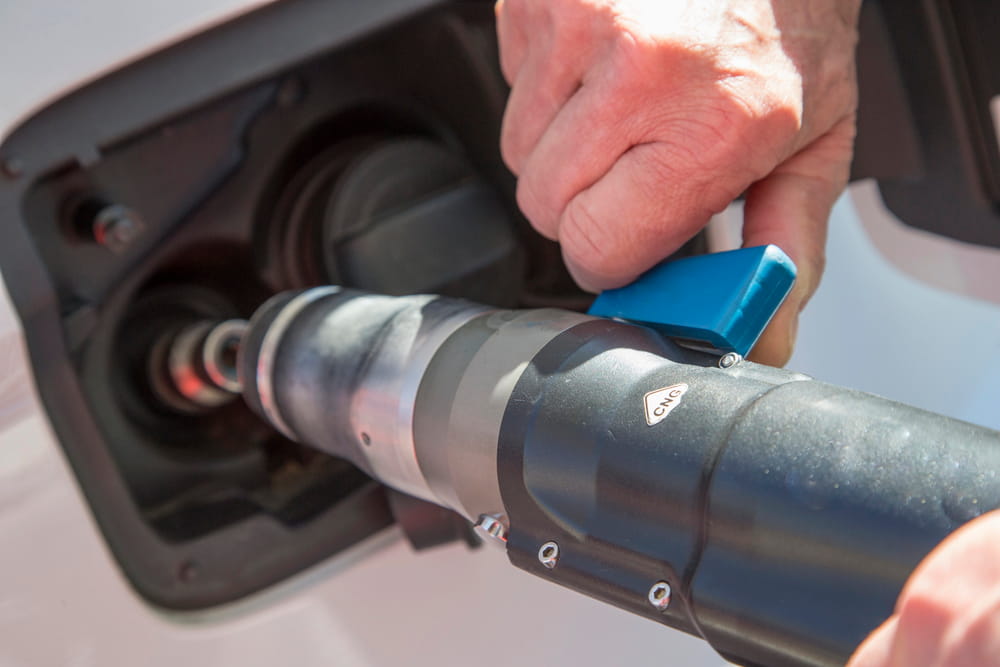
Many people are unaware that some gasoline-powered vehicles can be easily converted to alternate fuels such as compressed natural gas (CNG) or ethanol. With the rising price of fuel, many Americans are searching for alternative low-cost options, and it appears that modifying your existing gasoline-powered vehicle may be the most cost-effective option; however, it is not without its drawbacks.
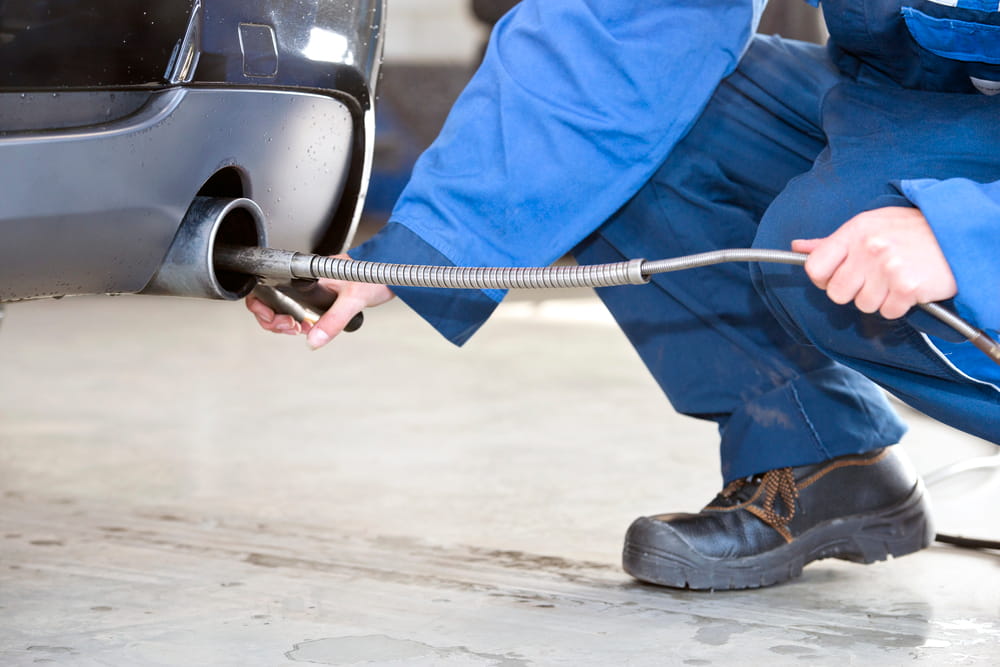
The main drawback comes from “anti-tampering” laws under the Clean Air Act, which restricts altering or tampering with vehicle’s OEM emissions systems. The Environmental Protection Agency (EPA) strictly prohibits the removal, bypass or tampering of the vehicle’s original emissions control devices like the catalytic converters and Power Control Module (PCM) maps/programming.
Since adapting or installing an unregulated alternate fuel conversion kit will alter the vehicle’s fuel delivery, the systems needed for legal compliance must be modified for the vehicles to run properly on these fuels. While the government does allow some certified conversions, they mostly apply to the commercial market, not for the consumer one. If you modify your vehicle by installing an uncertified or a custom conversion kit, it is likely that you will face substantial fines even when the modifications DO NOT cause the vehicle to increase pollution levels.
States also have some unique regulations governing emissions-related modifications, and in states such as California, vehicle conversions must comply with strict emissions standards. For example, natural gas conversion kits used on emissions-controlled vehicles generally must be approved and certified by the appropriate regulatory agencies before they can be legally installed. The approval process can be expensive and time-consuming, making it difficult for individual vehicle owners and smaller businesses to pursue these options. However, the fact that the successful use and conversion of conventional gas-powered vehicles to natural gas and ethanol in various countries around the world have been common for many years should tell you something.
The fact of the matter is that alternative fuels like ethanol and natural gas are far cleaner burning than conventional gasoline, so you would assume that the government would want to join us in a fight to combat climate change by reducing tailpipe emissions; however, when it comes to alternative fuel retrofit kits, that is simply not the case.
In addition to the pollution-related requirements, the alternative fuel systems must meet safety and crash-testing standards. Improperly installing pressurized fuel tanks can introduce additional safety risks. The National Highway Traffic Safety Administration (NHTSA) requires that all vehicles meet their structural, weight and crash testing standards. While they have made some exceptions for overweight electric vehicles, it appears that they do not feel the same towards alternative fuel conversion kits.
While we all want to breathe clean air and drive a safe vehicle, it appears that there is a clear bias towards newer, larger company-manufactured alternative fuel vehicles like EVs than actual retrofit kits. Some of it is understandable, as the quality of the retrofit kit will highly depend on not only the manufacturer but also the installer. However, the demand for these types of low-cost fuel conversion kits is only growing and taking account of all the risks and benefits, it would be natural to assume that the government would want to create a system to help streamline the conversion process; however, that is simply not the case.
With the proper training, tools and equipment, the modification process can be straight forward on many gas-powered vehicles, allowing certain models to easily be adapted to run on alternative fuels such as natural gas and ethanol/E85. The best part is, depending on the type of alternative fuel and vehicle year, make and model, most conversion kit hardware will range in price anywhere from $800 to $12,000, which is far less than the price of a new EV.
All fuel types have some unique downsides. While ethanol and natural gas may be cleaner burning, they may not be as efficient and may produce less power under the same conditions as a conventional gasoline-powered engine; it still does not justify what feels like a moratorium on the alternative fuel retrofit kit market. It almost feels like a consorted effort on the part of US lawmakers to keep these options out of reach of the consumer market, restricting choice and driving up costs for average hard-working American families.
If you believe current state and federal regulations do not provide a practical pathway for legally converting vehicles to run on alternative fuels, consider making your voice heard. Contact your elected representatives and share your views on policies that affect vehicle modifications and alternative fuel adoption. Vehicle owners should have a clearer, more efficient process for converting their vehicles to cleaner-burning fuels, provided the modifications meet emissions and safety standards, without facing excessive regulatory hurdles or lengthy approval processes.
Explore CarValid

Buying A Used Car?
Get a CarValid Vehicle History Report with one simple search