Why you should never ignore these car warning lights
Justin S
Created by: Apr 22, 2026
|
Modified by: Apr 22, 2026
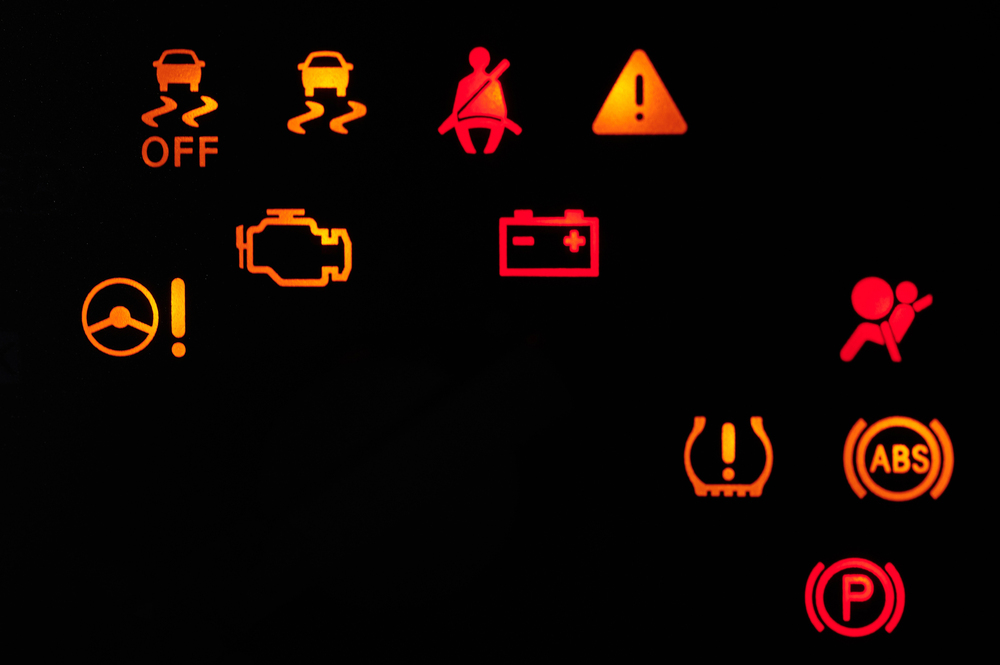
Your modern vehicle is equipped with many advanced censors and computer modules and is designed to let you know when there is something potentially wrong. One of the most basic and important ways your car informs you of a problem is through dashboard warning lights. These lights aren’t just suggestions; in most cases, they’re early warning systems that alert you to an issue, helping you prevent costly repairs, breakdowns, and even safety hazards. Ignoring these lights may seem harmless at first, but in many cases, it can lead to serious mechanical damage and even pose serious safety-related concerns.
What Dashboard Warning Lights Really Mean
When a warning light appears on your gauge cluster, your car is telling you that something is outside normal operating conditions. Keep in mind not all lights are a sign of impending doom. Some lights are informational, while others indicate urgent problems that require immediate attention. Understanding the meaning of common warning lights can help you understand the priority level of each warning light and respond accordingly.
Common Dashboard Lights:
Check Engine Light
The check engine light is one of the most common and misunderstood lights.
The reason for this could be because this light is a catch all for multiple faults and could indicate anything from a loose gas cap to a catastrophic internal engine failure.
The most important thing to know is that in most cars there are two types of engine warning lights:
- Solid Check Engine Light
This is the type of warning that in most cases will allow the driver to continue driving the car to the mechanic shop to have proper diagnostics performed.
- Flashing Check Engine Light
Unlike a solid check engine light, a flashing check engine light is an indicator of something more serious. Drivers are encouraged to safely pull over to stop and turn off the engine, as continuing to drive the car may cause serious internal damage to the engine or catalytic converter.
Oil Pressure Warning Light
Engine oil is the lifeblood of your engine and getting an oil warning light is one of the most critical warning lights your car has. Most commonly the light illuminates due to low oil pressure or insufficient lubrication. Continuing to operate the vehicle with low oil pressure will cause serious damage to the engine internals and may destroy the engine completely. This is the reason why it is imperative to stop driving the vehicle immediately after the light is illuminated.
Engine Temperature Light
This warning light indicates when your engine is above normal operating temperature and is overheating. This could be caused by cooling system failure like a bad thermostat, a coolant leak or contamination. Driving the vehicle while the engine is overheated can lead to warped engine components or total engine failure. Just like the oil light, your best bet here is to pull over and turn off the engine as soon as possible.
Battery Warning Light
The battery warning light is not just an indicator of possible battery failure; it could be an indicator of other electrical faults related to the vehicle’s charging system components like the alternator. The car may continue running briefly, but if the charging system failed, it will most likely stall once the battery is completely depleted. While it is usually not a safety-related matter and is unlikely to cause other damages to other systems, it should be addressed as soon as possible. The last thing anyone wants is to be stranded in the middle of the road in a car with a dead battery.
Brake Warning Light
A brake warning light can be a safety-critical alert, which is an indicator of possible low brake fluid or worn brakes. However, in a lot of modern cars, a brake or ABS warning light is part of a system communication-based fault. For example, in many late model Subarus, it is not uncommon for the ABS or brake light to be triggered due to another unrelated fault in the system. While the cause of the brake warning light may not be very clear prior to a proper diagnosis, it is best to err on the side of caution and bring the car in for service as soon as possible. Keep in mind a genuine brake fault can reduce braking ability, leading to very serious driving hazards.
ABS Light
ABS is a synonym for “Anti-Lock Braking System”, which most modern cars come equipped with. Its job is to modulate the brake pedal during emergency braking, helping reduce the braking distance. An illuminated ABS light can be an indicator of an ABS fault; it can also be triggered due to another fault on certain vehicles. Like the brake light, some vehicles may have an illuminated ABS light due to a completely unrelated fault logged in the system. While the brakes will not stop working due to an ABS-related fault, once the ABS light comes on, you will most likely lose the protection provided by this safety system, increasing emergency braking distance. The best course of action is to have it diagnosed sooner rather than later.
TPMS System
TPMS is a synonym for “Tire Pressure Monitoring System” and is designed to monitor tire pressure. An illuminated TPMS light is usually an indicator of low tire pressure; however, it can also be caused by failing sensors in one or multiple wheels. Chances are if you see the light pop up on your dash, one or more tires are underinflated. The best course of action is to check the tire pressures to make sure they are inflated to factory-recommended levels. Ignoring low tire pressure can lead to poor handling, increased fuel consumption, uneven wear and in some rare cases, even tire blowouts.
Most vehicle manufacturers distinguish the urgent from the non-urgent lights by color and the way they are illuminated.
- Red lights – require immediate attention
- Yellow/amber lights – general warning, most commonly a service reminder
- Green/blue lights = Informational (usually not a problem)
- Flashing lights – requires immediate attention
Why Ignoring Warning Lights Is Risky
Don’t let small problems become big ones. A minor issue today can turn into a major repair tomorrow with significantly increased repair costs.
For example:
Ignoring a check engine light could lead to expensive emissions system damage.
Driving with low oil pressure can destroy an engine.
Early detection often means cheaper fixes. Waiting too long can result in more parts needing to be replaced, higher labor costs and in some cases, complete major component replacement.
Addressing warning lights early is not only good for your pocketbook; it can also help avoid some serious safety risks. Keep in mind some warning lights directly impact your safety. Brake system issues, tire pressure problems and overheating can cause critical safety systems to fail, putting yourself and others on the road at risk.
Dashboard warning lights are your vehicle’s way of asking for attention before something goes seriously wrong. While not every light means an emergency, ignoring them is never a good idea.
Explore CarValid

Buying A Used Car?
Get a CarValid Vehicle History Report with one simple search
Popular Articles