Did you know your car can act as a witness after an accident?
Justin S
Created by: Apr 15, 2026
|
Modified by: Apr 15, 2026

If you are involved in a car accident, remember that your modern car has what is called an Event Data Recorder (EDR). This feature is often compared to an airplane’s “black box”, an EDR captures key information about a vehicle’s operation before, during and immediately after a crash.
What Is an Event Data Recorder?
Basically, an EDR is a system built into a modern vehicle’s advanced electronics in order to record accident events that trigger any of the safety-related sensors and safety-related features. In recent years modern vehicles have been coming out with more advanced EDR systems with the ability to log everything from how fast you were traveling during the collision to the location as well as the direction of travel and various impact-related details. Making this data available to the insurance company may help you prove what really happened.
Depending on the year, make and model of your vehicle, most likely your car comes equipped with some form of EDR, typically integrated into the airbag control module. Event data usually stores most recent events effectively overriding prior event data. This is the reason why it is important to collect this data immediately after an accident.
What Information Does It Record?
While EDR systems do not record conversations, video or location tracking, they can provide a wealth of information about the vehicle operation a few seconds before and a few second after a collision event. When activated during a collision event, an EDR may capture several important data points, including:
- Vehicle speed prior to and during the collision
- Brake application
- Throttle position
- Engine RPM
- Steering input (in some newer vehicles)
- Seatbelt usage
- Airbag deployment timing
- Impact severity
What Is the main purpose of an EDR?
The primary purpose of an EDR is to improve vehicle safety and provide investigators and engineers vital accident analysis.
The system can be especially useful for:
- Crash Investigation
EDR data can help investigators understand what really happened during an accident. It can let them know how fast the vehicle(s) involved were traveling, whether the brakes were applied prior to the collision and other pertinent data.
- Safety Improvements
Automakers use this data to analyze real-world crashes and improve vehicle design, airbags, and safety systems.
- Insurance and Legal Use
EDR data may be used in insurance claims or legal proceedings to clarify the sequence of events leading up to a crash. Some drivers are unaware their vehicle contains an EDR, but it can play an important role after an accident by providing objective data about what occurred, potentially helping resolve disputes during the insurance claim process.
How to Access EDR Data?
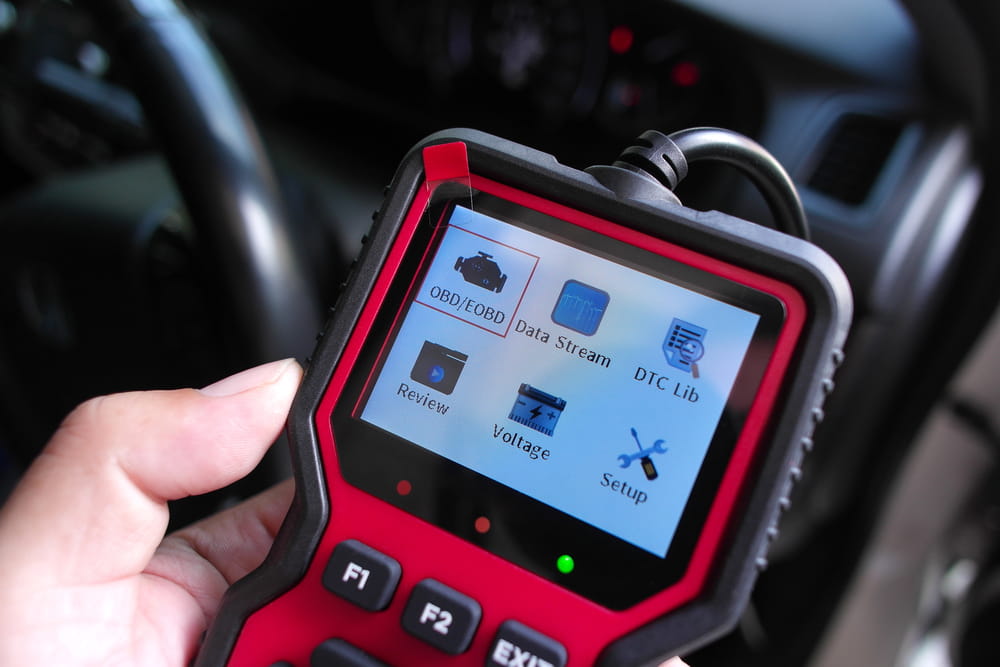
Accessing EDR data is a bit tricky and often requires specialized equipment, making it difficult for the vehicle owner to access the data on demand. However, most dealerships and law enforcement agencies and insurance companies can access the data using the proper equipment. In many cases law enforcement or insurance companies may need the owner’s consent or a legal order to retrieve the stored data.
The Takeaway
In a way, your car really can act as a credible witness by providing facts when they matter most. While it operates quietly in the background, the EDR’s ability to capture critical moments during a crash makes it invaluable for improving vehicle safety and understanding accidents.
Explore CarValid

Buying A Used Car?
Get a CarValid Vehicle History Report with one simple search
Popular Articles