Did you know that many car parts have an expiration date?
Justin S
Created by: Apr 02, 2026
|
Modified by: Apr 02, 2026
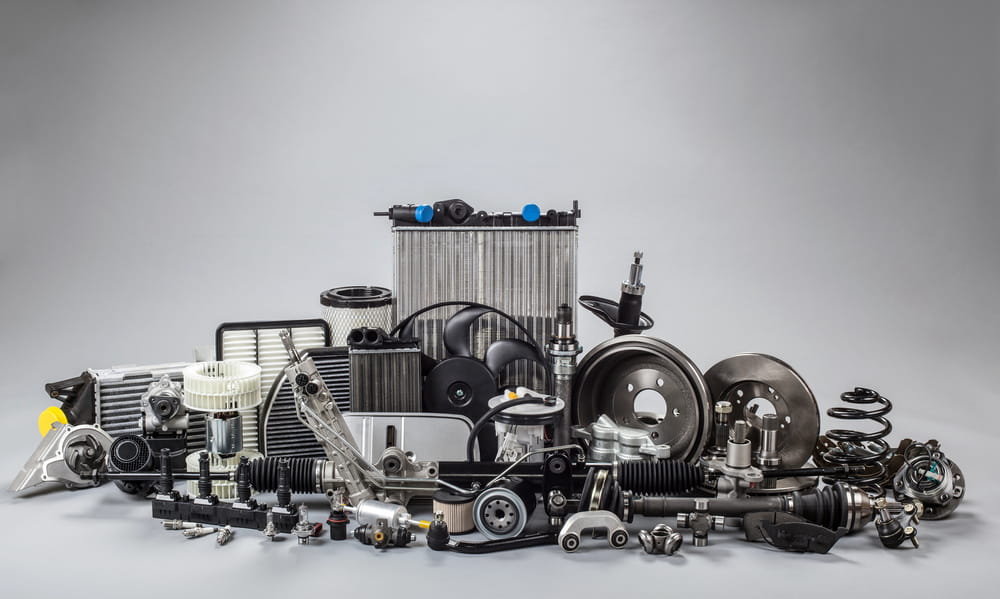
Most drivers think about oil changes and maybe brake pads, but did you know that many other critical vehicle components also have a set lifespan? Even when a component looks fine or the car seems to drive normally, age, heat and wear can quietly reduce performance and safety over time. This is why many components in the car have set lifespans and, in most cases, require replacement at the date of expiration.
Here are some commonly overlooked car components that effectively have an “expiration date”:
1. Tires
Regardless of tread type, a typical tire lifespan ranges from 6 to 10 years depending on the weather conditions. The problem is that when inspecting the vehicle most people only concentrate on tread depth, but tires also age out. The main issue that affects tires with age is dry rot and this happens as the rubber compounds in the tire dry and crack over time, even if the tire isn’t heavily used.
How to check:
- Look for cracks in the sidewall (dry rot)
- Check the DOT code (last 4 digits = week/year made)
- If older than 6–10 years → replace
2. Battery
The typical automotive battery lifespan will range from 3–5 years. Now, it is not uncommon to get as much as 7 or 8 years out of a battery before it completely dies; however, in most cases, the optimal capacity and degradation begin to affect performance after the 3rd year. The thing to remember is that car batteries degrade gradually and often fail without warning.
How to check:
- Slow engine cranking- An older battery may be slow, to start the vehicle in cold environments and be more prone to cause electrical gremlins when it drops low especially in today’s electronically demanding cars.
- Corrosion on terminals- Be careful touching this material, as it is acidic and can irritate your skin.
- Check date sticker on battery
- Have it professionally tested by an automotive technician.
3. Brake Fluid
Most people do not realize that brake fluid only lasts 2-3 years; after this time it may become contaminated with moisture and dirt. A vehicle with old, expired brake fluid will most likely have a reduced braking performance and can corrode internal components.
How to check:
- Check for dark or dirty fluid; keep in mind most brake fluids are clear or light yellow or amber in color. If the liquid is dark, it is a clear indication that it needs to be replaced asap.
- Another sign of old brake fluid can be a spongy brake pedal; however, since this can also indicate a more serious brake system problem, it may be best to have the vehicle inspected by a professional prior to deciding on the corrective course of action.
- If you are handy, you can test the brake fluid yourself by using a reasonably priced brake fluid tester.
- As a rule of thumb, it is always best to follow manufacturer service intervals.
4. Engine Coolant (Antifreeze)
While the lifespan of engine coolant may vary by type, its typical lifespan is around 3–5 years. Over time coolant breaks down and loses its ability to prevent corrosion and regulate temperature. By not performing a regular coolant flush, you could be risking vital components and causing damage to the engine internals.
How to check:
- While the car is cold, open the coolant reservoir or radiator and check for rusty or discolored coolant. It may help to find out the type of coolant your vehicle requires to make sure the color of the manufacturer-recommended coolant matches what you see in the car.
- Overheating issues are no joke and should be addressed as soon as possible, as they can risk damaging and even destroying the engine.
- You can also test your coolant with a test kit, which typically includes coolant strips and color charts to help you determine the condition of your engine coolant.
- Always helps to check service records.
5. Timing Belt
Among the MOST critical vehicle components that should be replaced at or before the manufacturer-designated service periods is the timing belt. While some cars with timing chains may not require a frequent service, if your car has a timing belt, then you must pay close attention to when it needs to be replaced because if it fails, it can cause severe engine damage. A typical lifespan for a timing belt is anywhere between 65,000 and 100,000 miles. Some manufacturers even recommend replacing the belt before reaching the specified mileage if the vehicle is over 10 years old, as age-related deterioration like dry rot can occur even with limited use.
How to check:
Messing with the timing belt is not recommended for the novice or even a weekend DIYer. The best you can do is to:
- Strictly follow the manufacturer-recommended mileage interval and do not delay replacement.
- Strictly follow the manufacturer-recommended time interval if available.
- Replace preventatively—don’t wait for failure!
6. Rubber Hoses (Cooling & Vacuum)
While most rubber components on the car will retain performance well past their recommended lifespan, it is important to keep an eye on them and check them regularly, especially on vehicles 5 years or older. Keep in mind just like all rubber components, hoses degrade from heat and pressure, even if they don’t leak yet.
How to check:
- Squeeze the hoses to check for soft, brittle, swollen or dry-rotted patches.
- Look for visible cracks.
- Check leaks originating from the coolant hoses.
7. Serpentine Belt
The serpentine belt may not be as critical as the timing belt; however, a broken serpentine belt can leave you stranded in the middle of the road, as it is used to drive critical systems like your alternator that continuously charges the battery as you drive. You can also lose your power steering due to a snapped serpentine belt, making it very hard to steer the vehicle, especially at low speeds. A typical serpentine belt lifespan is anywhere from 60,000 to 100,000 miles. It may also have a manufacturer-recommended replacement date even before reaching the mileage intervals for older vehicles. It is vital that you check with your vehicle manufacturer to make sure you are performing all of the recommended maintenance on time.
How to check:
- On most cars the serpentine belt should be visible under the hood without any disassembly, so a simple visual check for cracks or fraying can identify potential problems.
- A squealing noise is another sign that there is an issue with a serpentine belt or one of the accessories, idlers or tensioners being driven by the belt.
- Look for any signs of glazing (shiny surface).
8. Airbags
Many people don’t realize airbags can degrade over time, especially in older vehicles. The modern airbag has a lot of critical safety components linked to vital safety systems. The typical lifespan for an airbag usually ranges between 10 and 15 years.
How to check:
- Follow the manufacturer’s recommended service intervals.
- Do not ignore an airbag warning light.
- Check manufacturer recalls.
- Follow service bulletins for older cars.
9. Fuel Pump
Just like many moving parts in your car, the fuel pump(s) wear out gradually and can fail unexpectedly. While most manufacturers do not have a set replacement interval, it is important to have the system checked if the vehicle has passed 100,000 miles.
How to check:
While there is no easy way to check the condition of your fuel pump, in most cases you will get some warning signs that it is about to fail or nearing the end of its lifespan. Those signs may include:
- Hard starting
- Loss of power under load
- Whining noise from the fuel tank
10. Suspension Components (Bushings & Ball Joints)
Suspension parts wear slowly and often go unnoticed until they start making noise and affect the vehicle’s handling. The typical lifespan for suspension components is anywhere between 70,000 and 150,000 miles. Many of these parts don’t fail suddenly; they degrade gradually, which makes them easy to overlook.
How to check:
While there is no set maintenance schedule designated by the manufacturers it is important to keep an eye out for signs of trouble. Some of the typical signs include:
- Clunking noises
- Uneven tire wear
- Loose or vague steering
Final Thoughts
A well-maintained car isn’t just about fixing what’s broken; it’s about replacing parts before they fail and checking for signs of impending failures. Understanding which components have a lifespan and monitoring their condition can save you money, improve safety, and extend the life of your vehicle. It’s important to follow manufacturer maintenance schedules and consider periodic professional inspections to catch aging components before they become a problem.
Explore CarValid

Buying A Used Car?
Get a CarValid Vehicle History Report with one simple search
Popular Articles