How to Choose the Right Mechanic
Justin S
Created by: Apr 29, 2026
|
Modified by: Apr 29, 2026

Finding a good trustworthy mechanic can make all the difference in your car ownership experience. When given the chance, a good mechanic will not only save you money by properly conducting inspections and doing regular maintenance and prevent unnecessary repairs, but they can also prolong the life of your vehicle. On the other hand, choosing the wrong one can lead to problems related to poor workmanship, repeat visits, and headaches. Needless to say, choosing the wrong mechanic can be a very costly mistake.
The good news is you do not need to be some automotive expert to pick out a good mechanic. By understanding what to look for ina a good mechanic, you should have no issues picking a good one.
Price Isn’t Everything
Contrary to popular belief, price isn’t everything. It’s tempting to select the cheapest option, but low prices can sometimes come at some significant long-term costs. The cost of going with the cheapest option often mean:
- Extremely low repair quotes often mean shortcuts are being taken.
- Lower-quality aftermarket parts may be used instead of OEM (original equipment manufacturer) car parts.
- Important repair steps may be skipped or glanced over to save billable hours.
As a rule of thumb, a fair, transparent price is more important than the lowest price. Quality work often saves money in the long run by avoiding repeat repairs and premature failures.
Organization and Cleanliness Matters!
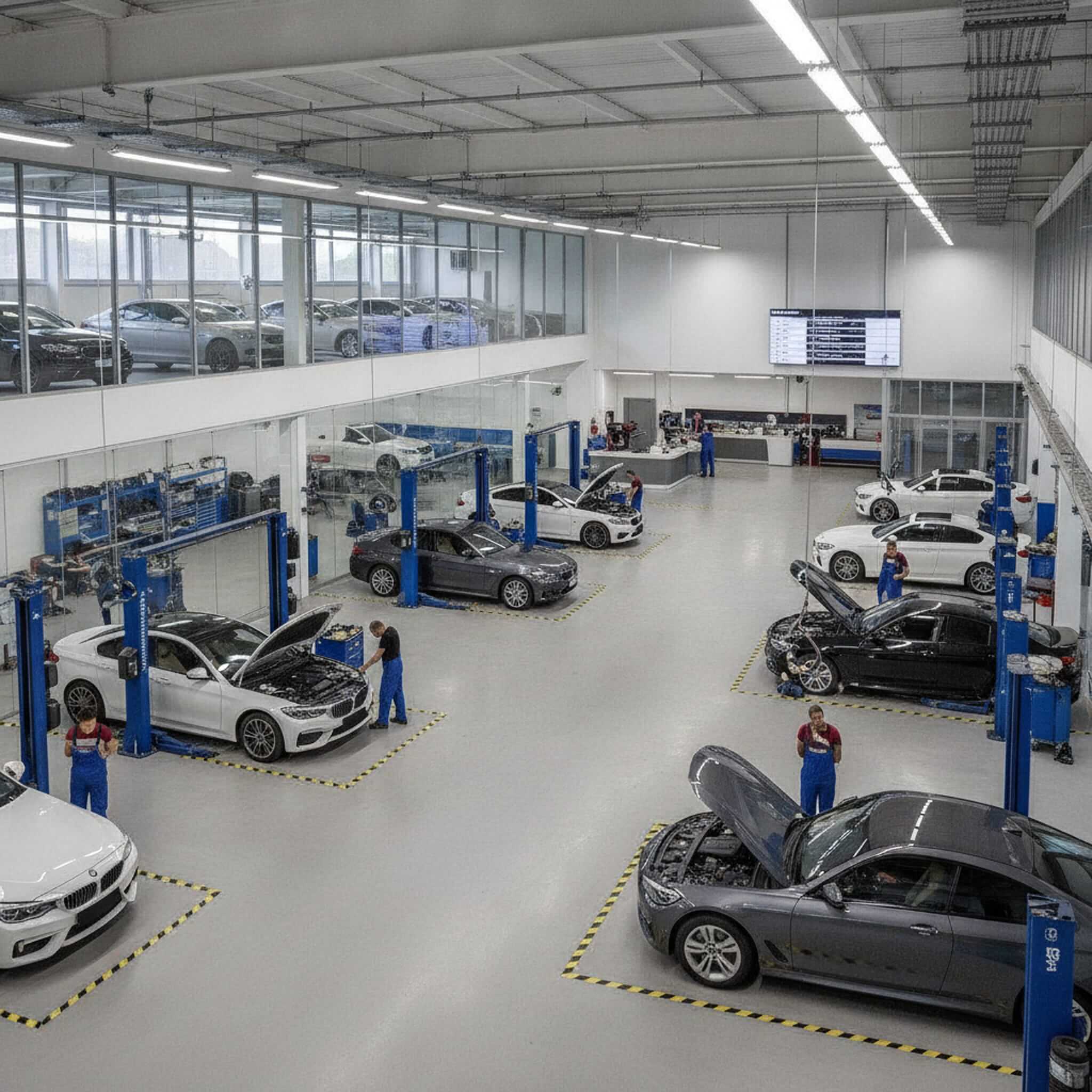
A mechanic’s tools and workspace can tell you a lot about how they operate. Keep in mind a well-organized mechanic often means they have a more methodical approach to complex auto repairs. If a mechanic’s tools look out of place and the workspace looks chaotic, there’s a good chance the work may be too.
Here are just some things to look for:
- Neatly organized tools
- Work areas that appear relatively orderly
- Parts stored properly without being scattered randomly throughout the shop
While there are some exceptions, in most cases an organized shop usually reflects the mechanics:
- Attention to detail
- Professionalism
- Lower likelihood of lost parts or mistakes
Evaluate The Mechanics Tools and Equipment
Keep in mind that modern vehicles require modern tools. A well-rounded automotive technician should be able to diagnose an electrical fault as easily as they diagnose a mechanical one. A good way to check if a mechanic has some limitations is to check the type of equipment they have in their shop. For example, if the mechanic shop does not have a tire machine, it is safe to assume they do not do tire changes and rotation and most likely outsource that type of work to a third party.
Here is a rough idea of what to expect from a decent, well-rounded mechanic shop:
- Professional diagnostic equipment from brands like SnapOn, Autel, Launch and XTool.
- Specialized equipment for your make and model of vehicle. Some makes and model of vehicles require specialized tools. For example, if you need a timing belt change on a late model Audi, it is important to make sure that the mechanic has an Audi timing tool kit.
- Up-to-date technology is important; keep in mind the automotive repair industry is evolving just like all other industries, and it is important to pick a technician willing to adapt to changing times.
Picking a mechanic with outdated or missing tools can lead to guesswork instead of accurate diagnostics, longer repair times and improper fixes.
Check How Much Experience They Have with Your Make and Model vehicle.
While most vehicles share similar systems, they are all different not only based on make and model but also by year. This is why it is imperative to choose a mechanic that is familiar with the year, make and model of your vehicle. You should avoid choosing someone who is working on your type of vehicle for the first time, as unfamiliarity increases the likelihood of making a mistake even amongst professional technicians.
Keep in mind different brands have unique systems and common issues with specific manufacturer-recommended service bulletins, repair and preventative maintenance guidelines. Experience can reduce the risk of misdiagnosis and improper repair(s). It also often has the added benefit of faster diagnostics and more accurate repairs.
Always ask if the mechanic has had experience working on your year, make and model vehicle. A good way to gauge a mechanic’s knowledge is to research common issues for your vehicle’s make and model, then ask if they’re familiar with those problems. This can help you assess how well they know the vehicle offhand, without relying on online tools and resources.
Communication Is Key
A good mechanic should be able to clearly explain issues and present solutions.
Good signs:
- Willingness to answer questions
- Explains repairs in simple terms
- Provides estimates before starting work
Red flags:
- Vague explanations
- Pressure to approve repairs quickly
- Lack of transparency
Check Online Reviews and Reputation
Before committing, take a few minutes to research online reviews. While not all mechanics have a strong online presence, it may help to simply Google the shop name. Read Yelp reviews and check what others say about their work. Look for patterns, not just one or two reviews. Consistent feedback can reveal a lot.
Ask If They Warrantee Their Work.
While a written warranty is not in itself a guarantee of quality, it can give you some indication if a mechanic is willing to stand behind their work. As if the shop warranties both parts and labor and how long is the coverage? Keep in mind that some wear-and-tear components may not be covered by a warranty beyond clear manufacturing defects, as their lifespan often depends on how the vehicle is used and driven. In other words, do not be unreasonable and don’t expect the mechanic to provide a lifetime warranty on brakes.
Start Small
If you’re unsure, test the waters first. Give the mechanic basic maintenance work like oil changes to evaluate their service, communication and pricing. This also helps you build trust before committing to larger, more expensive repairs. Always trust your instincts; if something feels off, whether it’s the shop environment, communication or pricing, it’s often best to walk away and get a second opinion.
The key takeaway:
Look beyond price. Focus on experience, organization, communication and reputation to find a mechanic you can trust for the long haul.
Explore CarValid

Buying A Used Car?
Get a CarValid Vehicle History Report with one simple search
Popular Articles