Event Data Recorder: How EDR Helps After Accidents
Justin S
Created by: Jun 18, 2026
|
Modified by: Jun 18, 2026
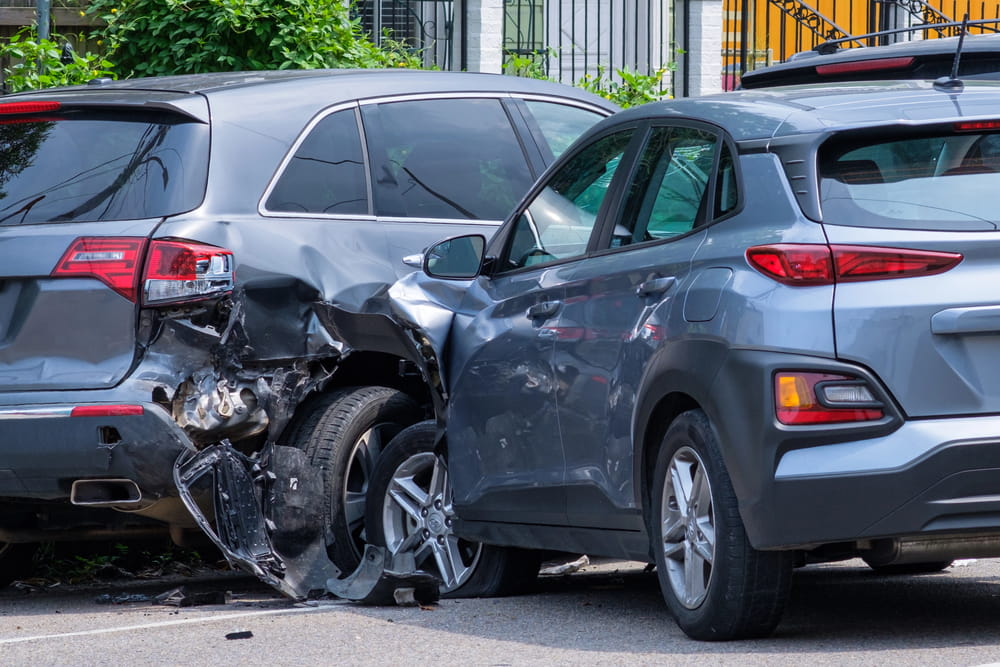
EDR is an acronym for Event Data Recorder and it is part of the car’s airbag module, which is in nearly all modern vehicles. While the technology has been around since the 1990s, it has only become widely mandated in passenger vehicles in September of 2014. Think of the EDR as a Black box and it records a vast amount of data in the moments leading up to, during, and immediately after a car crash. EDR captures and stores key data about the vehicle’s operation. This can include speed, braking activity, throttle position, seatbelt usage, airbag deployment timing, date and changes in G-forces.
The goal of this technology is not to track driving behavior continuously, but to preserve a short snapshot of critical data around a collision event for future reference and investigation. The system provides objective, data-based evidence that can help reconstruct what really happened during that fateful day. This technology may be used by the insurance companies in accident investigations to determine who is more at fault for the accident. It can also be used for both civil and criminal legal matters and disputes. This information is very valuable because it can help fill in some of the blanks like, for instance, whether a driver pressed the brake before impact and if they tried to avoid the collision by swerving.
This modern technology, coupled with built-in dash cameras, can help reduce the reliance on conflicting eyewitness accounts, which are often incomplete or inaccurate. This data is also aggregated by vehicle manufacturers for the purpose of helping improve vehicle safety systems and design. Manufacturers use real-world crash data to identify patterns in accidents, leading to better airbag deployment systems, stronger crash structures and improved driver-assist technologies. Over time, this data can greatly contribute to safer vehicles and reduced injury risk for all occupants.
While the EDR has some obvious benefits, some may argue that it also has some serious flaws, especially when it comes to privacy. Since the data is tied to a specific vehicle and incident, it is possible to link it with the owner’s identifying information, raising some concerns about data access and ownership. While in most cases it is used by official sources like law enforcement and insurance companies, the limitations on how the data may be used are unclear.
Overall, the vehicle EDR plays a critical role in modern automotive safety and accountability by providing reliable, factual insight into what happens during crashes, helping protect both drivers and the broader public.
Explore CarValid

Buying A Used Car?
Get a CarValid Vehicle History Report with one simple search
Popular Articles