Can You Get Pulled Over for Having a License Plate Cover?
Justin S
Created by: Nov 12, 2026
|
Modified by: Nov 12, 2026
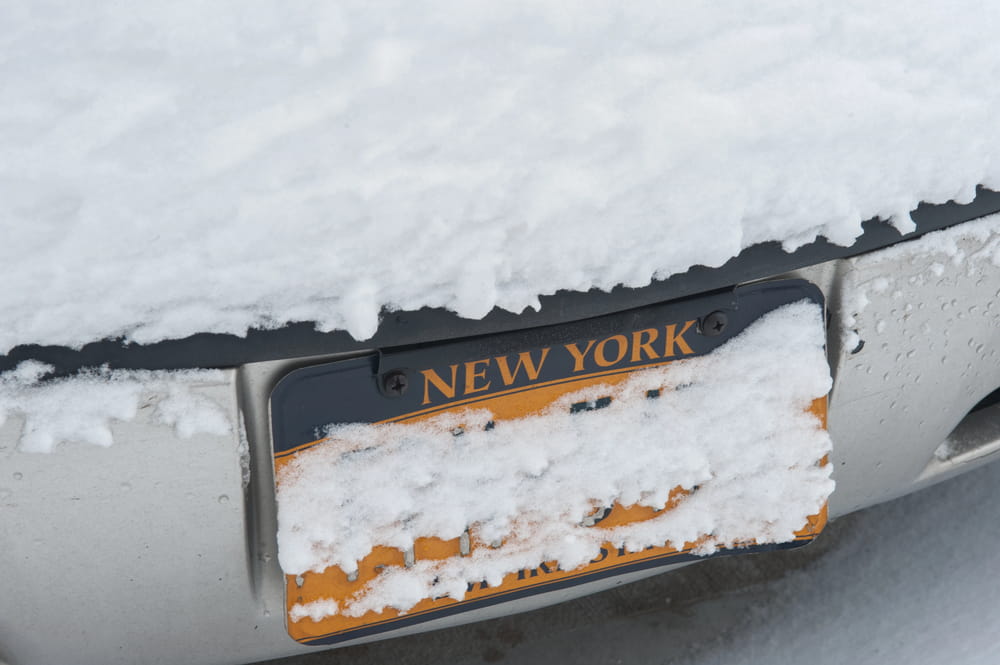
License plate covers are a popular accessory among drivers who want to protect their license plates from dirt, scratches, and everyday wear. Some license plate covers have custom frames that let other drivers know your favorite sports team. There are also covers that feature a tinted Plexiglas that can give the car that cool sinister look. However, before you place that license plate cover over your plates there are a few things you should know. In some regions of the country a plastic cover over your license plate could be enough to get you pulled over.
You can get pulled over for having a license plate cover, even if your registration is current and you're following every other traffic law. The main deciding factor for whether your license plate cover is legal on a public road will depend on where you live, what type of cover you're using, and whether it interferes with the visibility of your license plate.
What Do State Laws Say About License Plate Covers?
Every state has laws requiring license plates to remain clearly visible and readable. While the exact wording varies, the general idea is the same. Law enforcement officers must be able to identify your vehicle by reading its license plate. Each state’s laws have some unique differences and this is especially important for drivers who regularly travel across state lines. A license plate cover that's acceptable in one state might violate the law in another.
Some states allow clear protective covers as long as they don't obstruct any letters, numbers, or registration stickers, while other states like California have much stricter rules, restricting even transparent covers. Each state has their own unique laws governing the use of license plate covers. For example, California Vehicle Code Section 5201 requires license plates to be properly displayed and clearly legible. The law generally prohibits coverings over license plates, with limited exceptions. This means even a completely transparent plastic cover could potentially create a problem for California drivers.
New York also takes a strict approach to license plate covers and any obstructions. Its vehicle laws prohibit covering license plates with glass or plastic materials and require the plate's identifying information to remain visible at all times.
Texas, on the other hand takes, a more practical approach and focuses on whether a plate's identifying information is obscured or its readability is impaired. Under Texas Transportation Code Section 504.945, certain materials and devices that obscure or distort a license plate can result in a violation; however, it does not specifically condemn the use of transparent plate covers.
What About Tinted or Smoked License Plate Covers?
Tinted and smoked license plate covers are particularly likely to attract negative attention from law enforcement. Even if you can read the plate while standing directly behind the vehicle, the cover may make it difficult to read from an angle or under certain lighting conditions.
Keep in mind just because the license plate is legally sold in stores, it does not mean it is legal to use on public roads. Some covers are even advertised as being able to prevent traffic cameras or automatic license plate readers from identifying a vehicle. These products are especially problematic because most states specifically prohibit devices designed to interfere with electronic plate recognition. Regardless of which state you live in, it is strongly advised that you refrain from installing tinted license plate covers on a vehicle meant to be used on public roadways.
It's also worth mentioning that license plate frames can cause problems. A decorative frame that covers part of the state name, registration sticker, or plate number may violate state law even without a plastic cover.
What Are the Penalties for an Illegal License Plate Cover?
Penalties vary considerably depending on the state and the nature of the violation. In some cases, drivers may receive a warning or a correctable citation requiring them to remove the cover. In others, the violation can result in a fine.
For example, California law provides a $250 fine per violation for operating a vehicle with certain prohibited plate-obscuring devices under Vehicle Code Section 5201.1. In Texas, some obscured-plate violations carry fines of up to $200, while certain repeated violations can result in higher penalties.
Keep in mind that court costs and other fees may increase the total amount owed. More importantly, an illegal license plate cover can provide an officer with a reason to initiate a traffic stop, even when the driver hasn't committed any other apparent violation.
How Can You Avoid Getting Pulled Over?
Fortunately, avoiding problems with license plate covers is simple.
- Check your state's laws. Don't assume that a cover is legal just because it's sold at an automotive parts store.
- Avoid tinted or smoked covers. These can reduce visibility and create unnecessary legal risks.
- Consider removing plastic covers altogether. This is particularly important in states like California and New York, where even clear covers are generally prohibited.
- Inspect your license plate frame. Make sure it doesn't hide the plate number, state name, or registration stickers.
- Keep your plates clean and readable. Dirt, mud, damage, and faded lettering can also lead to violations.
The Bottom Line
While the license plate cover might seem like a harmless accessory, it can lead to an expensive and inconvenient traffic stop. While some states are more lenient than others, the safest approach is to keep your license plate completely uncovered and clearly visible.
Explore CarValid

Buying A Used Car?
Get a CarValid Vehicle History Report with one simple search