How to Spot Odometer Fraud Using VIN Data
Justin S
Created by: Jan 09, 2026
|
Modified by: Jan 15, 2026
Odometer fraud is a deceptive practice that can leave unsuspecting car buyers with vehicles that have significantly more wear and tear than indicated by the mileage reading. As the automotive market continues to grow and evolve, so do the techniques used by fraudsters to manipulate odometer readings. Understanding how to spot this type of fraud is essential for anyone considering a used vehicle purchase. One of the most effective tools in identifying odometer discrepancies is the Vehicle Identification Number (VIN). By leveraging VIN data, prospective buyers can uncover hidden truths about a vehicle's history, helping them make more informed purchase decisions. This article will guide you through the process of detecting odometer fraud.
Understanding Odometer Fraud
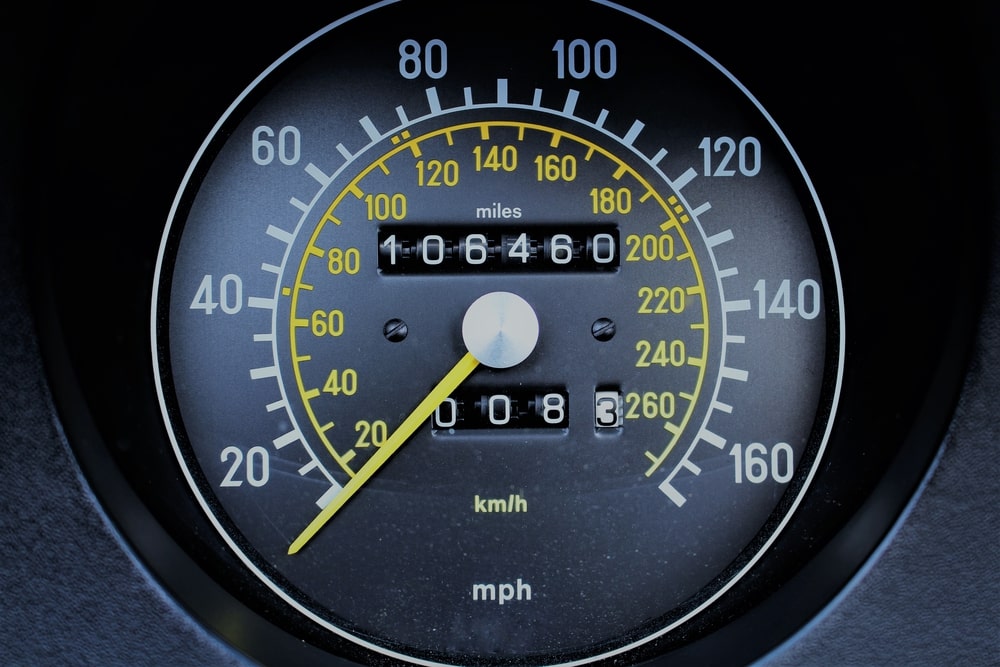
Odometer fraud, or "clocking" as it is often called, is the shady practice of rolling back a vehicle's odometer to make it seem like it has fewer miles than it actually does. Think of it as a sneaky way to make a vehicle look less used, which is an indicator to potential buyers that it is unlikely to have extensive mechanical issues often attributed to higher mileage vehicles. It is misrepresentation through illegal mileage manipulation that helps deceitful sellers pass off a car with high and hard city mileage as some grandma’s car that has only been used occasionally to do grocery runs.
There are two main types of odometer fraud: mechanical tampering (the classic rollback) and digital manipulation (where tech-savvy crooks mess with electronic odometers). Both methods serve the same purpose: deceiving buyers into spending too much on a vehicle.
Odometer fraud has ripple effects that can linger like the scent of burnt popcorn in a microwave. For consumers, it means investing in a vehicle that’s been through more than it’s letting on, leading to potential safety issues and costly repairs down the road. For the used car market as a whole, this despicable practice breeds distrust and instability. When buyers can’t feel secure in their purchases, it undermines sales and encourages more shady practices. It also creates issues for good, honest sellers, prolonging the time the car sits on the used car market and creating issues during the sale from the buyer’s lack of trust in the seller. Ultimately, it’s a lose-lose situation, with consumers shelling out their hard-earned cash and legitimate sellers struggling to prove their value.
How Odometer Fraud is Committed
Fraudsters have come up with ingenious (and often alarming) methods to roll back vehicle mileage. Among the most common techniques are mechanical tampering, which involves physically moving or altering the odometer gears and software manipulation, where skilled hackers can change electronic odometer readings with just a bit of tech wizardry. Some enterprising individuals even resort to replacing entire odometer units with a new one that displays a lower mileage. While in most modern cars there are preventative measures built into the car’s computers and the gauge cluster itself preventing people from altering vehicle mileage by simply swapping out the gauge cluster, it is still being done through clever software and hardware manipulation.
So, why commit odometer fraud? Well, money is a powerful motivator. Crooks often roll back odometers to inflate a car's value, making it look like a bargain when it's really just a ticking time bomb of repairs waiting to happen. Sellers may be motivated by desperation, wanting to unload a car that’s seen better days without being honest about its mileage. Or sometimes, it’s just about greed: the chance to pocket some extra cash with minimal effort. To sum it up, when the stakes are high, some folks will do whatever it takes to land that sweet deal, even if it means pulling a fast one.
Key Indicators of Odometer Tampering
When trying to spot odometer fraud, discrepancies in mileage reports can be your best friend—like a dog who always knows when the mailman is outside the house. If the reported mileage doesn’t align with the vehicle’s age or condition, that could be a big red flag. Checking the VIN against recordings taken during vehicle registration and service events, as well as other events in the car’s history can, help uncover any discrepancies lurking in the shadows. For instance, if you are looking at a vehicle with 70,000 miles and the vehicle’s history displays a mileage greater than that, that is usually a clear sign that the odometer has been tampered with.
Sometimes, the physical signs of tampering can be just as revealing as a bad haircut. Look for inconsistent wear on the pedals, seat and steering wheel. While this is not a clear indicator of odometer fraud, if these parts appear significantly more worn than the odometer suggests, it is worth taking a deeper look into the vehicle’s condition and history. It is vital to check for signs of tampering around the odometer itself, like scratched surfaces or unusual wear on the dashboard. If the odometer digits are misaligned or the screws seem like they’ve been fiddled with, it may be best to walk away.
The Importance of Vehicle Identification Numbers (VIN)
A Vehicle Identification Number (VIN) is a unique 17-character code assigned to every vehicle, like a social security number but for cars. This alphanumeric soup of letters and numbers contains vital details about the vehicle, including its make, model, engine type, and even the factory where it was made. Each character has its own significance, with some representing the year of manufacture and others indicating the assembly plant. In short, a VIN is a car’s way of saying, “I exist and here’s my life story!”
VINs are the magical keys that unlock vehicle history reports, giving prospective buyers a behind-the-scenes look at a car’s past. By entering a VIN into a vehicle history service, you can uncover information like previous ownership, accident history and whether the odometer has ever been tampered with.
When it comes to sniffing out odometer fraud, the Vehicle Identification Number (VIN) is your best friend. Use reliable vehicle data reporting sources such as your local DMV/RMV, the National Highway Traffic Safety Administration (NHTSA), CarValid and similar trusted platforms. These sources aggregate information from various agencies and databases, giving you a comprehensive overview of the vehicle's history.
Once you’ve obtained VIN data, it’s time for a little detective work. VINs provide a wealth of information: from manufacturing details to previous registration records. Pay special attention to any discrepancies in reported mileage between service records and the odometer reading. If the data suggests the car has been driven significantly fewer miles than it's supposed to have, your fraud radar should be on high alert. It’s like discovering that your friend’s “high school band” is actually just them and a karaoke machine!
Tools and Resources for VIN Data Analysis
Online VIN Check Services
The internet is bursting with VIN check services! Websites like CarValid, VinCheckUp, Carfax, AutoCheck and VINCheckPro allow you to quickly run a check on a vehicle using its VIN. While some offer free checks for limited information, others might charge a fee for a full report. Think of them as the “Google” for car histories but without the endless cat videos (unless you're into that sort of thing). These services can help you uncover hidden details about the vehicle that could indicate potential odometer tampering.
If you’re a dealership or a mechanic, you might want to invest in professional-grade resources. Programs like Dealertrack and vAuto provide comprehensive tools for managing vehicle histories and inventories. Not only can these services help with VIN data analysis, but they can also streamline other aspects of your business. It’s like having a Swiss Army knife, but for cars—versatile, handy, and a little bit flashy!
How to Conduct a VIN Check
First things first: conduct a thorough VIN check! Grab the VIN from the vehicle, which can usually be found on the windshield or inside the driver’s door. Plug it into one of the aforementioned VIN check services, following the simple instructions to generate a vehicle history report. This report may help you uncover a treasure trove of information, including ownership history, mileage records, reported accidents, total loss history and more... If the reported mileage appears inconsistent and it seems like the vehicle has mysteriously skipped a few thousand miles, it’s time to ask some questions.
It is helpful to always cross-reference the odometer readings with any available service records. Look for scheduled maintenance reports, inspections, or repairs that indicate mileage logged over time. If you find that the odometer reading is significantly lower than the cumulative mileage from service records, you might have stumbled upon a case of odometer fraud. Think of it like piecing together a mystery: the more pieces you connect, the clearer the picture becomes!
Legal Implications and Reporting Odometer Fraud
Odometer fraud isn’t just unethical; it’s highly illegal. The law varies by state, but generally, tampering with a vehicle's odometer is considered a serious offense. Familiarize yourself with local laws regarding odometer disclosures and fraud, as it could save you from legal headaches down the road. Remember, nobody wants to be on the receiving end of a call from the authorities saying, “Surprise! You’re part of a fraud investigation!”
How to Report Suspected Fraud to Authorities
If you uncover evidence of odometer fraud, it’s your civic duty to report it. You can contact your local Department of Motor Vehicles (DMV) or law enforcement agency to file a report. Make sure to gather all your documentation, including the VIN report and any service records. The authorities appreciate a neatly organized filing system. Reporting suspected fraud not only helps protect other potential buyers but also sends a message that odometer fraud won't be tolerated!
Being vigilant about odometer fraud is crucial for anyone in the market for a used vehicle. By utilizing VIN data and following the guidelines outlined in this article, you can effectively identify potential discrepancies and protect yourself from financial loss. Remember, a thorough check of a vehicle’s history can save you time, money, and frustration in the long run. Always stay informed and proactive to ensure that your next vehicle purchase is a sound investment.
Frequently Asked Questions
Odometer fraud occurs when a vehicle’s odometer reading is altered to make it appear as though the car has a lower mileage than it actually does, often to increase its market value.
You can check a vehicle's history by using its VIN through various online services that provide vehicle history reports, which typically include mileage records, accident history, and other important details.
Signs of odometer tampering include discrepancies between reported mileage and maintenance records, physical signs of tampering on the odometer itself, and unusually low mileage for the vehicle's age.
If you suspect odometer fraud, you should gather documentation, report the issue to local authorities, and consult with legal or automotive professionals to explore your options for recourse.
Explore CarValid

Buying A Used Car?
Get a CarValid Vehicle History Report with one simple search
Popular Articles