The Hidden Dangers of Buying Used Car Tires
Justin S
Created by: Nov 26, 2026
|
Modified by: Nov 26, 2026
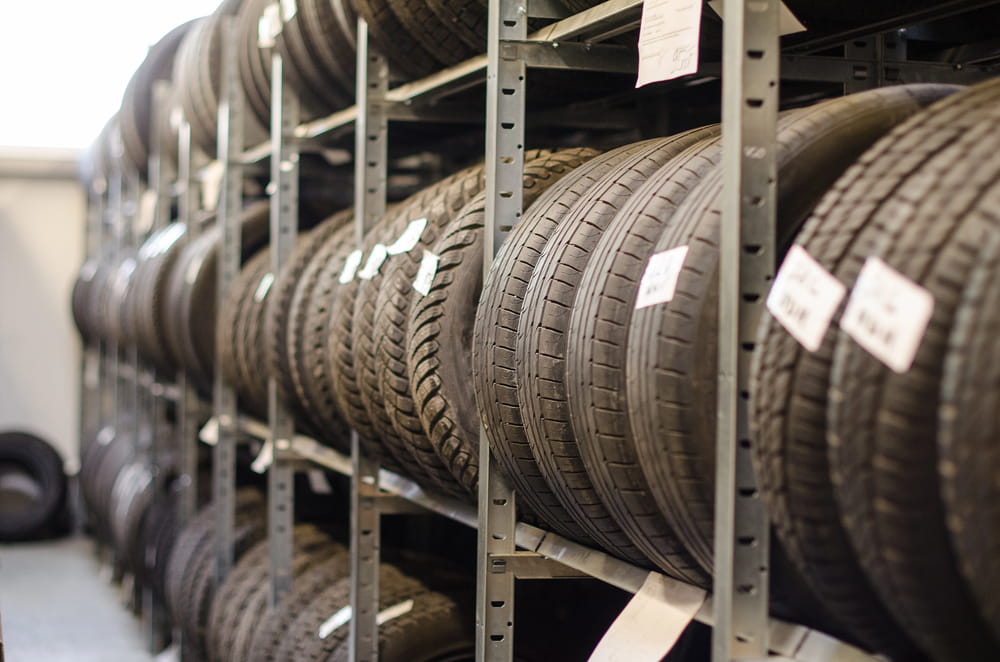
With the rising cost of vehicle ownership, many people are putting more and more effort in finding ways to save money on everyday expenses. Some car owners even turn to used tires as a more affordable alternative to buying new. There are many auto dismantlers and used tire dealers that offer used tires with plenty of remaining tread for a fraction of the price of their new counterparts. While this may seem like a great deal, it carries some hidden costs. Unlike many other used automotive parts, tires can have serious underlying problems that aren't immediately apparent even upon close visual inspection. Considering that your tires are the only points of contact between your vehicle and the road, compromising on their condition can have serious consequences.
Did you know that tires expire?
Yes, contrary to popular belief, just like that jug of milk sitting in your refrigerator, car tires have an expiration date. In most cases the useful tire lifespan is anywhere between 6 and 10 years from the original manufacturing date. Even if the tires look good with original tread depth, most safety experts as well as automakers recommend replacing tires around the 6-year mark.
This is the reason why each DOT approved tire sold in the US contains a date code. You can locate this code on the tire’s sidewall. The code is comprised of four digits. The first two digits are the week of the year and the last two are the actual year. For example, if the code displays “2324”, this means that the tire was produced in June of 2024. This means that this tire will need to be replaced around 2030.
You Don't Know the History of a Used Tire
Perhaps the biggest problem with buying used tires is that you rarely know how they were treated by their previous owner. Was the tire regularly driven underinflated? Was it subjected to excessive loads, driven over potholes, or involved in an accident? Driving on an underinflated tire generates excessive heat and places additional stress on its internal structure. While the tire may look perfect on the outside, it can be hiding internal damage that can affect the reinforcing cords and weaken the sidewall. Even if the tire holds air and appears to be in excellent condition, its structural integrity may already be compromised.
Unfortunately, some of these problems only become apparent when the tire is subjected to sustained highway speeds, high temperatures, or heavy loads, potentially resulting in tread separation or a sudden blowout posing a significant risk to the driver and surrounding traffic.
Tread Depth Doesn't Tell the Whole Story
Many people judge the condition of a used tire almost exclusively by its remaining tread depth. While tread depth is certainly important, it doesn't necessarily indicate the tires’ structural condition and balance. A used tire with deep treads can still be a safety risk.
Tires deteriorate with age and environmental factors, regardless of how many miles they have traveled. Exposure to sunlight, heat, oxygen, and environmental contaminants gradually causes rubber compounds to degrade. When the rubber dries in the sun, it loses its elasticity and grip, making it more prone to dry rot, leading to premature failure. A tire that has spent several years sitting on a rarely driven vehicle in the California sun may have plenty of tread remaining but could be considerably more deteriorated than a newer tire with higher mileage.
Improper Repairs and Hidden Damage
Another concern is that used tires may have been previously repaired. While a properly repaired puncture within the designated tread area is not necessarily a safety concern, improperly performed repairs can be dangerous.
External plug-only repairs, punctures in the shoulder or sidewall, damaged beads, and multiple closely spaced punctures are all reasons to avoid purchasing a used tire. Some damage cannot be properly assessed without removing the tire from the wheel and inspecting its interior.
Uneven tread wear is another potential problem. A tire taken off a vehicle with suspension or alignment issues may produce excessive road noise, vibrations, reduced traction, and unpredictable handling when installed on another vehicle.
Drivers of all-wheel-drive vehicles should be particularly careful when purchasing individual used tires, as excessive differences in tire circumference can place additional stress on drivetrain components.
Are Used Tires Really Saving You Money?
While a used tire may cost just a fraction of a new one, it is rarely the best option. If it has already consumed a significant portion of its usable tread, you may find yourself replacing it much sooner than expected. Once you factor in mounting, balancing, and disposal fees, and the risk of finding out the tire is out of balance or has internal damage after the tire is mounted, it does not seem like the best cost-cutting measure. Not to mention the costs and inconvenience associated with dealing with replacing a tire or a set of defective used tires after mounting, you will be paying for tires twice. Keep in mind used tires do not come with a warranty like used ones, so you will be stuck paying for that hefty bill.
As the common saying goes, “buy once – cry once” and this applies to car tires. Even if your budget is limited, a new tire from a reputable but affordable tire manufacturer may be a better investment than a used premium-brand tire with an unknown history.
At the end of the day, there are plenty of ways to save money on vehicle maintenance, but tires are one area where cutting corners can have particularly serious consequences. Saving a few hundred dollars is hardly worth the risk of experiencing a tire failure while traveling at highway speeds.
Explore CarValid

Buying A Used Car?
Get a CarValid Vehicle History Report with one simple search