California's New Exhaust Noise Laws and What They Mean for Drivers
Justin S
Created by: Nov 19, 2026
|
Modified by: Nov 19, 2026
As most of us California residents know firsthand, California has never been particularly friendly towards car enthusiasts and modified vehicles. It is kind of ironic that the state that pioneered the modern car culture is working so hard to kill it with new laws and regulations. From emissions regulations to restrictions on aftermarket parts, the state already has some of the strictest automotive laws in the country. Now they are making it even harder for California residents to enjoy the car hobby.
The state has announced changes to exhaust noise enforcement, taking the punitive factor to a new level. Beginning January 1, 2027, California will introduce stricter procedures for dealing with exhaust noise violations under Assembly Bill 2496 (AB 2496). While the law doesn't introduce an entirely new noise limit, it changes how certain violations are handled, increasing the fines and enforcement.
What is California's Current Exhaust Noise Laws?
While most California drivers are familiar with exhaust/smog restrictions, the noise laws are less widely understood, leaving many drivers unaware that even a seemingly harmless aftermarket exhaust modification could result in a costly citation. Under California Vehicle Code Sections 27150 and 27151, vehicles must have properly functioning mufflers and cannot have exhaust systems modified to produce excessive noise. For most passenger vehicles weighing less than 6,000 pounds GVWR, the legal exhaust noise limit is 95 decibels when measured using the prescribed testing procedure. The law is a bit more lenient towards motorcycles and heavier vehicles.
While this law does not make all aftermarket exhaust systems automatically illegal in California, it does introduce another legal compliance hurdle. Whatever the aftermarket exhaust systems, the car owners want to install must meet applicable noise and emissions requirements. Removing mufflers, installing prohibited exhaust bypass devices, or modifying a vehicle to exceed legal noise limits can result in a citation.
What's The Big Change for 2027?
The biggest change under AB 2496 involves how drivers must demonstrate compliance after receiving certain exhaust-related citations. Beginning January 1, 2027, drivers cited for specified exhaust violations will be required to obtain a certificate of compliance through a California Bureau of Automotive Repair (BAR) referee inspection.
This concept is not entirely foreign to California residents; however, how the state plans to enforce the law is a bit extreme. The state plans to go the punitive route by suspending registration renewals. Failing to provide the required certificate to the court within three months of the violation can result in the owner losing the ability to operate the vehicle legally on public roadways. In other words, an unresolved exhaust ticket could eventually prevent you from renewing your registration until the issue is addressed. This represents a significant change for drivers who might otherwise have paid a fine and continued driving without correcting the underlying problem.
However, do not assume the state removed or reduced the penalties; that will remain unchanged. The registration renewal is an additional caveat to an already restrictive and punitive system.
How Will These Changes Affect California Drivers?
For owners of heavily modified cars, the consequences are fairly obvious. A loud exhaust that previously resulted in a citation may now lead to an inspection, possible repairs, additional expenses, and registration complications. However, just because your vehicle is not modified does not mean you are immune to this lunacy. The law is also likely to create problems for unmodified vehicle owners as well.
The law could apply to anyone with a vehicle that has an exhaust leak causing excessive noise. While we can all agree it is important to remedy these issues, it is important to keep in mind that there are millions of car owners that simply do not have the means to pay for extensive repairs. Once you pile on fees, penalties and loss of mobility into the mix, you can easily take away already struggling people’s ability to drive to their workplace and make a living to pay their bills and support their families.
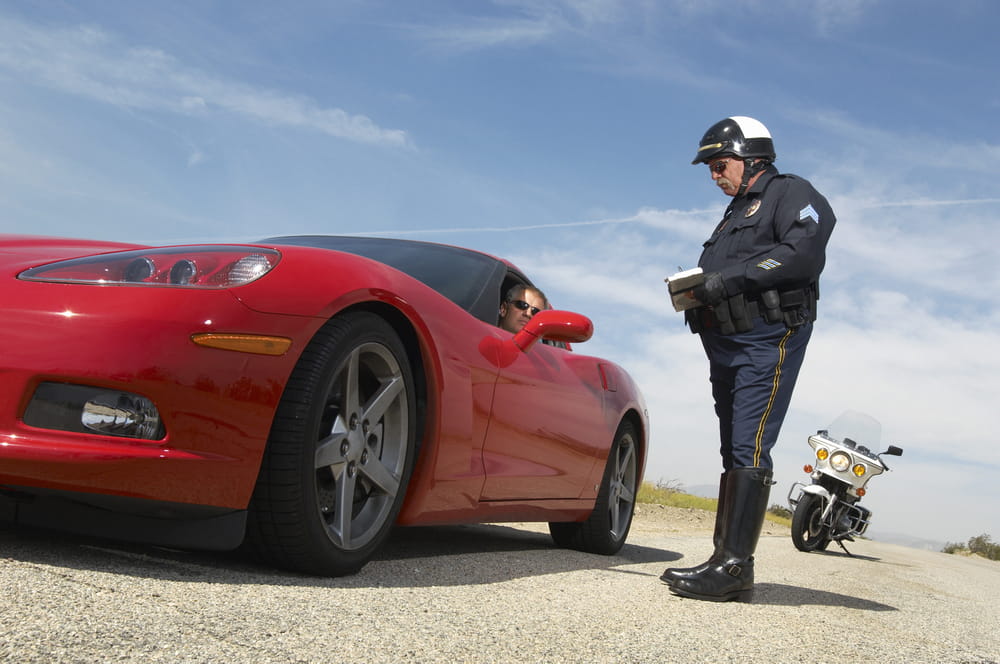
Additionally, you have to keep in mind that loud exhaust is a bit subjective, as exhaust sound isn't always easy to judge simply by listening. A factory performance vehicle can sound considerably louder than an ordinary commuter car. This raises concerns about how officers initially determine whether an exhaust is excessively loud. Although formal compliance testing follows established procedures, the initial traffic stop may still begin with an officer's subjective assessment of the vehicle's noise. That means potentially having to spend time and money demonstrating that an otherwise legal exhaust system complies with California law.
Is California Going Too Far?
The resounding answer to that question is YES! While supporters of stricter exhaust enforcement argue that excessively loud vehicles create unnecessary disturbances, the majority of the automotive community agrees that this escalation will put a further unnecessary burden on California drivers. California continues to place additional regulatory burdens on vehicle owners.
There is also a legitimate distinction between someone driving a properly maintained performance car and someone deliberately creating excessive noise. There is also no consideration made for anyone that may be down on their luck and is unable to make immediate repairs to their vehicle. Treating every loud-sounding vehicle as a potential offender risks frustrating enthusiasts as well as regular drivers in the state of California.
The concern isn't necessarily that noise regulations exist, but whether enforcement consistently distinguishes between genuinely excessive noise and vehicles that simply sound different from the average car.
How Can Drivers Avoid Exhaust Noise Tickets?
The simplest approach is to purchase exhaust components specifically designed to comply with California regulations. Most exhaust manufacturers provide information about noise compliance and vehicle compatibility.
Drivers should also avoid removing required mufflers, installing prohibited bypass systems, or assuming that an exhaust is legal simply because it passed a smog inspection. Emissions compliance and noise compliance are two different things.
If you have an exhaust leak or damage that may be causing excessive noise, have it repaired immediately. Do not wait until you are pulled over and an officer is writing you a citation for a load exhaust.
If you already have an aftermarket exhaust, keeping the manufacturer's documentation and having the system professionally tested can help establish whether it meets the applicable requirements.
The Bottom Line
California's upcoming exhaust law changes won't make every aftermarket exhaust illegal, nor will they lower the existing 95-decibel limit for most passenger vehicles. What they will do is make the consequences of exhaust violations more severe.
For California drivers and particularly automotive enthusiasts, this is yet another law aimed at separating them from their hard-earned money and causing a lot of headaches in the process.
Explore CarValid

Buying A Used Car?
Get a CarValid Vehicle History Report with one simple search